

The Importance of Financial Education in Preventing New Debts
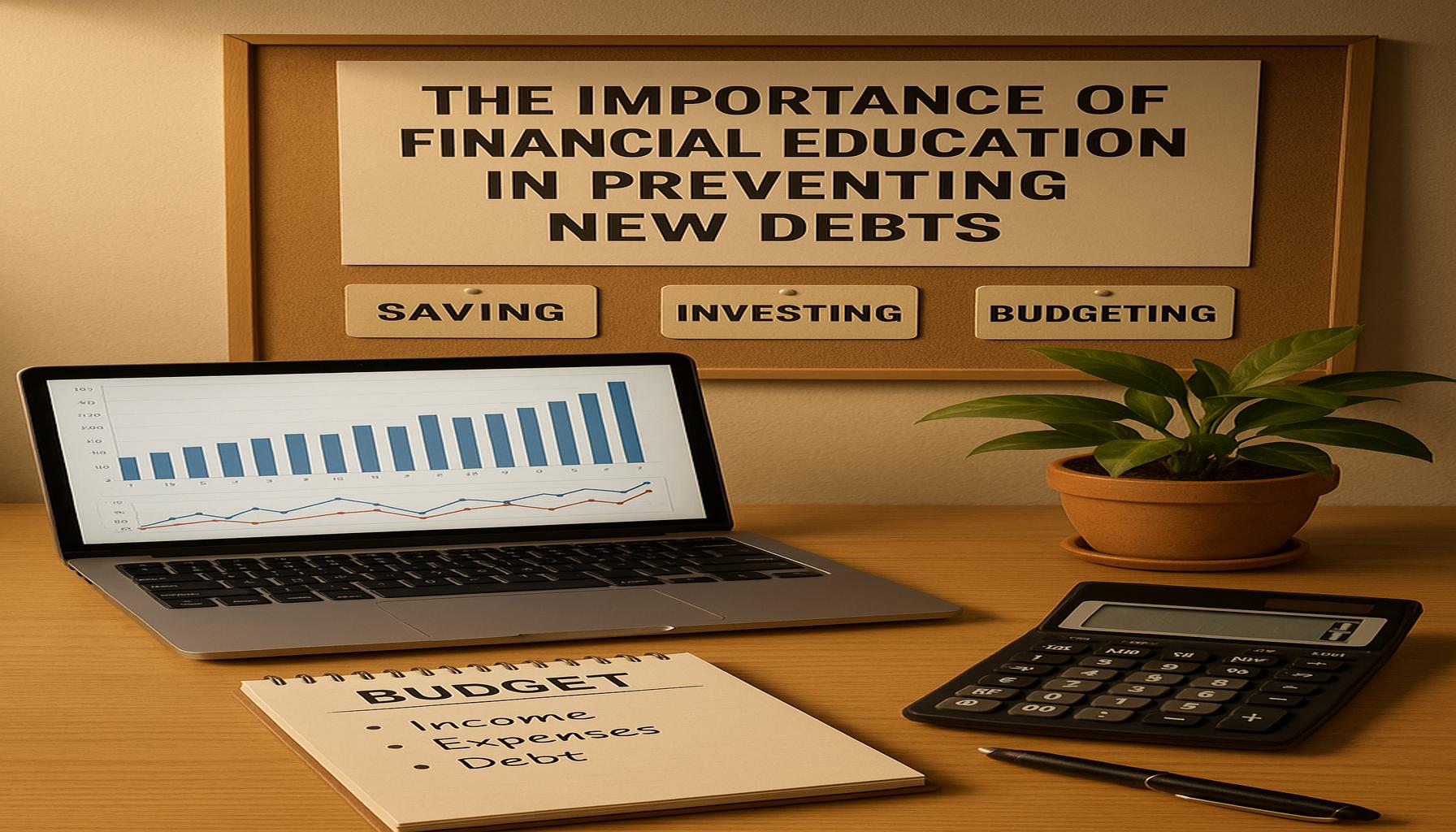
The Importance of Financial Education
In today’s intricate financial environment, the necessity of financial education cannot be overstated. With increasing living costs, particularly in urban centres like Dublin and Cork, and the complexities surrounding loans, mortgages, and investment options, there is an urgent need for individuals to possess a thorough understanding of personal finance. The ability to effectively manage one’s financial resources is paramount in ensuring long-term financial security and stability.
Equipping oneself with financial knowledge leads to several advantageous outcomes that can create a profound impact on an individual’s life.
- Improved budgeting skills: A well-crafted budget allows individuals to allocate their income efficiently, ensuring that essential expenses are met while limiting discretionary spending. For example, a person may use financial apps that help track daily expenditures, thus enabling better foresight in managing bills and savings, especially in a fluctuating economy.
- Informed borrowing decisions: Grasping the intricacies of borrowing—such as interest rates, terms, and fees—empowers individuals to make sound decisions on loans, whether for a car, home, or education. Understanding the total cost of credit can save borrowers significant amounts over time, reducing the burden of debt.
- Positive savings habits: Financial education fosters the establishment of sustainable savings paradigms, such as creating an emergency fund that covers three to six months’ worth of expenses. This buffer can prevent the need for high-interest borrowing in times of crisis, such as job loss or unexpected medical expenses.
Furthermore, awareness regarding effective debt management strategies can enhance financial health and confidence. Several critical factors merit consideration:
- Credit score understanding: An individual’s credit score is pivotal in determining the interest rates for loans and credit cards. By becoming educated on how to build and maintain a healthy credit score, individuals can qualify for more favorable lending terms, ultimately saving money in the long run.
- Investment literacy: Knowledge concerning various investment vehicles—such as stocks, bonds, and mutual funds—allows individuals to engage in wealth accumulation effectively. Understanding risk versus return can help investors make informed choices that align with their financial goals and timelines.
- Consumer rights awareness: Being equipped with knowledge of consumer rights and protections available in Ireland ensures that individuals can confidently navigate financial products. For instance, understanding the Consumer Protection Code ensures that consumers are not subjected to unfair treatment by financial institutions.
In conclusion, enhancing financial literacy is essential not only for preventing new debts but also for cultivating a secure financial future. By prioritizing educational initiatives and implementing tools and resources aimed at improving personal finance knowledge, individuals can take proactive and informed steps to protect their financial wellbeing. This investment in knowledge ultimately leads to a more resilient economic landscape, benefiting not just individuals but society as a whole.
DISCOVER MORE: Click here to learn about investing in Ireland versus other European countries
Empowering Individuals through Financial Knowledge
To effectively empower individuals in their financial journey, it is crucial to understand the foundational aspects of financial education and its far-reaching implications. At its core, financial education encompasses the skills and knowledge necessary for managing personal finances successfully. It provides people with the tools to make sound decisions regarding their income, expenses, savings, and investments. This understanding is vital for preventing new debts and cultivating long-term financial stability.
One of the fundamental areas impacted by financial education is the development of responsible spending habits. When individuals possess a clear understanding of their financial landscape, they are more likely to distinguish between wants and needs, leading to better spending choices. For instance, a comprehensive approach to financial education encourages individuals to assess their essential expenditures against discretionary purchases, ultimately prioritizing their spending. This intentionality can aid in steering clear of impulse purchases that may lead to accumulating unnecessary debts.
Moreover, financial education enables individuals to create effective savings plans. By understanding the principles of saving, such as the importance of setting aside a portion of income each month, individuals become equipped to handle unexpected expenses without resorting to high-interest loans. The implementation of savings strategies, such as the “50/30/20” rule—allocating 50% of income for necessities, 30% for wants, and 20% for savings or paying off debt—can improve financial discipline and enhance overall financial wellbeing.
In addition to fostering spending and saving practices, financial education plays a critical role in enhancing individuals’ investment knowledge. Familiarity with various investment options and their risk profiles ensures that individuals can make informed decisions that contribute to wealth accumulation. This is especially important in a dynamic financial environment where individuals are often confronted with complex investment offerings. Understanding the relationship between risk and return can help mitigate the allure of high-risk investments that may lead to potential financial distress.
Understanding debt management strategies is equally essential to preventing new debts. When individuals comprehend how to manage existing debts effectively, they are less likely to fall into the cycle of borrowing. Knowledge of concepts such as debt-to-income ratio, interest rates, and repayment terms empowers individuals to devise sustainable repayment plans. For instance, a proactive approach to managing debts through techniques like debt snowball or debt avalanche methods allows borrowers to become more strategic and systematic in their debt repayment efforts.
The importance of financial education cannot be overlooked; it serves as a vital preventive measure against the accumulation of new debts and financial turmoil. By fostering a culture of financial literacy, individuals will be better equipped to navigate their financial journeys with confidence and prudence. Ultimately, the true strength of financial education lies in its capacity to instill a sense of responsibility and ownership over one’s financial health.
DISCOVER MORE: Click here to learn how to boost your credit limit
Building a Robust Financial Future through Education
Another crucial aspect of financial education involves teaching individuals about credit management. Credit scores play a pivotal role in determining access to loans and credit facilities. A solid understanding of how credit works allows individuals to make informed decisions that help maintain or improve their credit ratings. For instance, timely payments on existing debts, keeping credit utilization low, and avoiding unnecessary credit inquiries are foundational practices that can enhance one’s creditworthiness. In Ireland, where personal loans and credit cards are readily available, maintaining a good credit score can significantly influence borrowing terms, ultimately guarding against excessive debt accumulation.
Furthermore, financial education highlights the necessity of financial goal setting. By identifying short-term, medium-term, and long-term financial goals, individuals can develop actionable plans tailored to their specific circumstances. Whether it is saving for a home, establishing an emergency fund, or preparing for retirement, having clear financial goals creates motivation and accountability. Research suggests that people who set explicit financial goals are more likely to reach them, which emphasizes the importance of structuring their financial journeys around measurable objectives.
The concept of emergency funds is a fundamental principle within financial education that can significantly mitigate the risk of incurring new debts. An emergency fund acts as a financial buffer, preventing individuals from relying on credit cards or loans when faced with unforeseen expenses such as medical emergencies or unexpected job loss. Experts recommend having at least three to six months’ worth of living expenses saved in an easily accessible account. For many in Ireland, this financial cushion represents both security and peace of mind in times of financial stress, reducing the tendency to fall into the trap of high-interest loans.
Moreover, financial education promotes an understanding of the economy’s cyclical nature. Individuals equipped with knowledge about economic indicators, interest rates, and inflation can better anticipate how these factors impact their financial situations. For example, an increase in interest rates may incentivize individuals to refinance their debt or shift their savings strategies to better align with their financial objectives. By remaining informed about broader economic conditions, individuals can make proactive decisions that safeguard them against potential financial downturns that could lead to new debts.
Additionally, the role of technology in financial education cannot be underestimated. With various financial management tools and applications readily available, individuals can track their spending, budget effectively, and monitor their financial progress in real-time. These digital tools often come equipped with informative resources that facilitate financial literacy. For instance, budgeting apps specific to Ireland may offer insights into typical spending behaviors, which can further enhance users’ understanding of their financial health and promote debt-free living.
Lastly, understanding the implications of financial products and services is essential in preventing new debts. Financial education enables individuals to critically analyze and compare different financial products—such as loans, mortgages, and insurance policies—to select those that best suit their needs without exposing them to undue financial risk. In Ireland, where many financial products carry varying fees and rates, discerning one’s options can lead to significant savings and help avert potential debt traps.
DISCOVER MORE: Click here for tips on expense management
Conclusion
In today’s complex financial landscape, the significance of financial education cannot be overstated, particularly in the context of preventing new debts. Individuals equipped with the right knowledge and tools can cultivate sound credit management practices, set achievable financial goals, and establish vital emergency funds that act as safety nets during unexpected circumstances. Understanding the economy’s cyclical nature primes individuals to make informed decisions that can mitigate risks associated with external financial pressures.
The availability of financial management tools has revolutionized the way individuals approach personal finance. These resources empower users to monitor their spending habits and better their financial literacy, ultimately fostering a culture of proactive debt management. Additionally, gaining insight into the implications of various financial products and services positions individuals to make choices that align with their personal finance goals without succumbing to unnecessary financial burdens.
As Ireland continues to evolve economically, the implementation of comprehensive financial education programs remains an imperative step to arm citizens against the dangers of debt. By prioritizing financial literacy at all stages of personal and professional life, individuals will not only strengthen their financial foundations but will also contribute to a more resilient economy. Ultimately, empowered financial decision-making is the key to preventing new debts, ensuring long-term financial stability and prosperity for individuals and families alike.

Beatriz
Beatriz Johnson is a seasoned financial analyst and writer who is passionate about simplifying the complexities of economics and finance. With over a decade of industry experience, she specializes in topics such as personal finance, investment strategies, and global economic trends. Through her work at True Metronome, Beatriz empowers readers to make informed financial decisions and stay ahead of the curve in an ever-changing economic landscape.


