Trends in Credit Card Use Among Irish Consumers in 2023
Current Trends in Credit Card Usage in Ireland
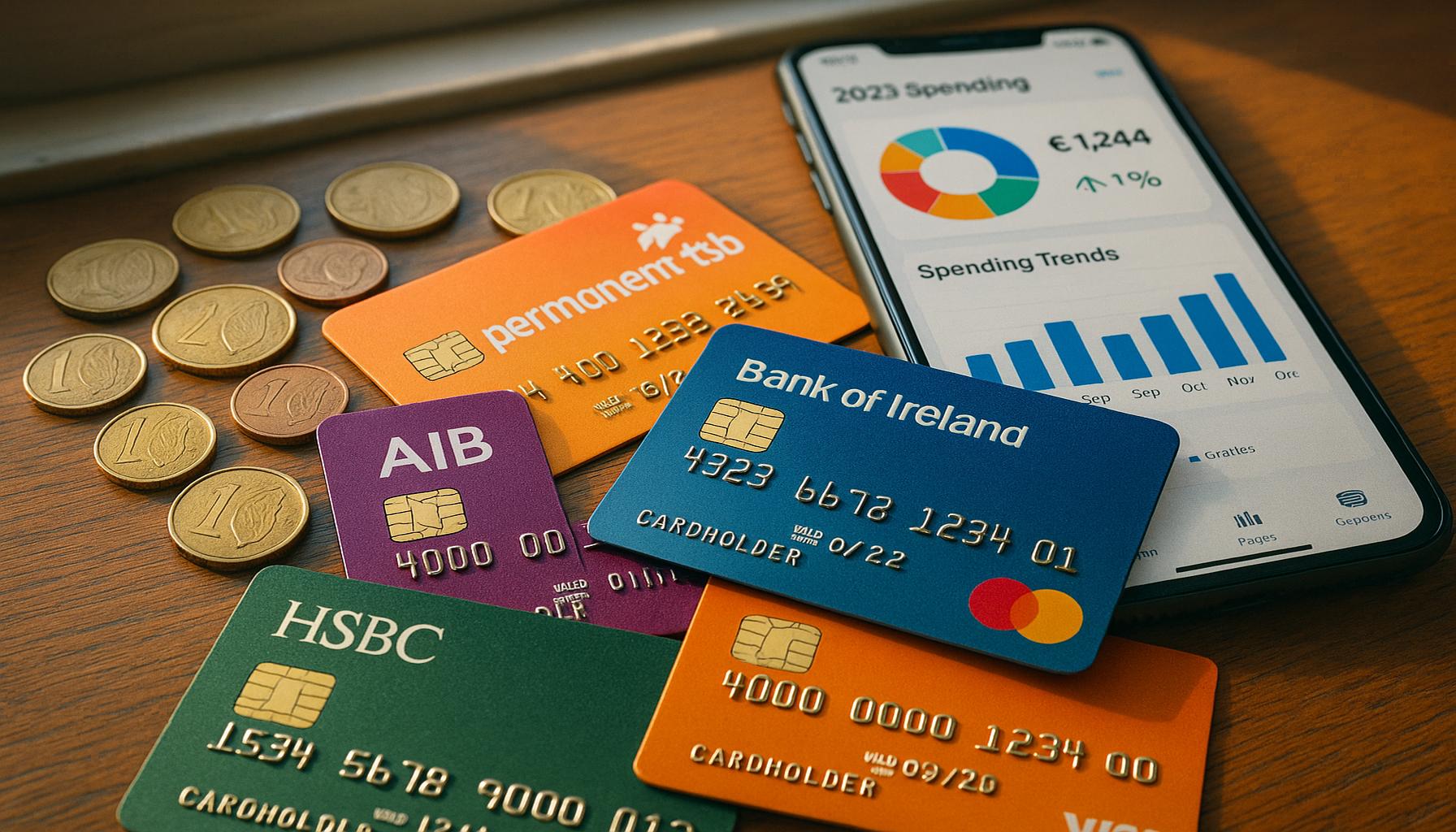
The landscape of credit card usage in Ireland has undergone significant transformation in recent years, driven by shifts in consumer behavior and broader economic conditions. As we delve into 2023, it is essential to articulate the trends shaping this landscape, as they provide valuable insights not just for consumers but also for financial institutions navigating these changes.
- Increased Contactless Payments: One of the most pronounced trends has been the rise in contactless transactions. According to the Central Bank of Ireland, contactless payments represented a substantial portion of card transactions in 2022, and this trend has only accelerated into 2023. The convenience of tapping a card or smartphone to complete a purchase caters to consumers’ desire for speed and efficiency, particularly in retail environments and public transportation. Many Irish consumers appreciate the safety and ease, further spurred by the pandemic’s impact on hygiene and the desire for minimal contact.
- Preference for Digital Wallets: An increasing number of Irish consumers are opting to link their credit cards to digital wallets, such as Apple Pay and Google Pay. This integration allows for seamless transactions without the need for physical cards. With the adoption of smartphones at an all-time high in Ireland, the move towards digital wallets aligns perfectly with the lifestyle of tech-savvy consumers who prioritize convenience in their financial dealings. According to recent studies, about 30% of Irish consumers reported using digital wallets as their preferred method of payment.
- Growing Credit Card Debt: On a more concerning note, 2023 has seen a rise in credit card debt levels among Irish consumers, prompting urgent discussions on responsible borrowing. Statistics indicate that outstanding credit card balances have increased by approximately 15% since the onset of the year, causing financial advisors to urge consumers to exercise caution. High interest rates associated with credit card debt can pose significant challenges for individuals caught in cycles of borrowing. Thus, understanding the implications of accumulated debt is crucial for maintaining financial health.
- Rewards and Cashback Programs: Increasingly, consumers are gravitating towards credit cards that offer attractive rewards and cashback programs. Financial institutions have responded by enhancing their offerings, fostering a competitive environment that benefits users. For instance, many credit cards now allow users to earn points redeemable for travel, shopping, or cashback for everyday purchases. Such incentives can effectively augment spending power and loyalty among consumers, encouraging them to utilize their credit cards more frequently.
Understanding these trends is essential for both consumers and financial institutions. By analysing the behaviours and preferences of Irish consumers, stakeholders can tailor their services to meet evolving needs. This adaptability will not only strengthen consumer relationships but also enhance financial literacy and well-being across Ireland.
DISCOVER MORE: Click here to learn effective strategies
Shifts in Spending Habits and Financial Awareness
As we analyze the trends in credit card use among Irish consumers in 2023, it is essential to highlight the changing spending habits and the accompanying rise in financial awareness. The purchasing landscape is evolving, influenced by a blend of technological advancements and changing consumer preferences.
- Increased Online Shopping: With the continued growth of e-commerce, a significant portion of credit card transactions now occurs through online platforms. Research indicates that around 65% of consumers have indicated a preference for shopping online rather than in-store, a trend that was exacerbated by the pandemic. Credit cards play a crucial role in this domain, as they offer consumers security and ease of payment for purchases at various online retailers. In 2023, websites have increasingly optimized their payment systems to accept credit cards quickly, ensuring a seamless checkout experience.
- Shift Towards Budgeting Tools: As consumers grapple with rising living costs, many are turning to budgeting tools to manage their finances effectively. In 2023, there has been a notable uptick in the usage of mobile apps and online platforms that help consumers keep track of their spending, especially with credit card expenditures. Approximately 40% of Irish consumers are now utilizing budgeting applications to monitor their expenses, enabling them to make data-driven decisions regarding their financial health. This trend suggests a growing recognition of the importance of financial literacy and proactive money management.
- Young Adults and Financial Education: Another vital trend is the increased focus on financial education among younger generations. Many credit card issuers are now tailoring their products towards young adults, offering educational resources that help demystify credit card usage and promote responsible financial behaviors. In 2023, around 25% of new credit card holders in Ireland are aged between 18 and 24. Financial institutions are keen to guide this demographic, emphasizing the significance of maintaining good credit scores and understanding interest rates.
- Task-Based Spending: Consumers are increasingly aware of the benefits of leveraging credit cards for specific expenditures, such as travel, groceries, and entertainment. In 2023, many individuals are adopting a task-based approach to spending, strategically using credit cards that offer specific rewards or cashback for different types of purchases. This trend not only incentivizes responsible spending but also rewards consumers for their loyalty to particular credit card providers.
Understanding these shifts in spending habits and the overall financial landscape will be crucial for both consumers and financial institutions. Keeping abreast of these trends enhances the ability to navigate the complexities of credit card usage while promoting a more financially literate society in Ireland. As consumers become more discerning regarding their credit card choices, they will undoubtedly seek out products and services that align not only with their buying behaviors but also with their values and financial goals.
EXPLORE MORE: Click here to find out how to live with less
Emergence of Digital Wallets and Contactless Payments
In 2023, a significant trend in credit card use among Irish consumers is the increasing integration of digital wallets and contactless payment systems. With the rapid evolution of technology, many consumers are now opting for digital alternatives that complement traditional credit card usage, enhancing their payment experience.
- Rise of Digital Wallets: Digital wallets such as Apple Pay, Google Pay, and Revolut have gained immense popularity in Ireland, enabling consumers to store their credit card information securely on their mobile devices. In 2023, approximately 30% of Irish consumers reported using digital wallets as their primary payment method for both online and in-store transactions. This shift is primarily driven by the convenience of mobile payments and the widespread adoption of smartphones, which make carrying physical cards less necessary. Additionally, digital wallets often provide added security features, such as tokenization and biometric authentication, which enhance consumer confidence in using these payment methods.
- Contactless Payments: The prevalence of contactless payment technology has seen a significant uptick in Ireland, further reshaping the landscape of credit card usage. Recent studies indicate that about 70% of credit card transactions in Ireland are conducted via contactless methods. Consumers appreciate the speed and convenience of tapping their cards or using mobile devices at payment terminals, particularly in sectors such as retail and hospitality. This trend is not only preferred due to its efficiency but is also considered a safer transaction method as it minimizes physical contact, a concern that has persisted since the pandemic.
- Integration with Loyalty Programs: Financial institutions are increasingly recognizing the value of integrating credit card offerings with loyalty programs. In 2023, many issuers are incentivizing consumers to use their credit cards through rewards for digital wallet transactions. These rewards can include cashback, points, or discounts at partner retailers, encouraging consumers to adopt digital payments. Approximately 45% of consumers indicated that they are more likely to use their credit cards if such loyalty benefits are linked with digital payments, showcasing the growing expectation for value-added services in today’s market.
- Security Awareness and Fraud Prevention: As digital payments and credit card transactions rise, so too does the concern over online security and fraud. In response to these concerns, credit card issuers in Ireland have heightened their focus on advanced fraud detection systems, employing machine learning algorithms and biometric verification to safeguard consumers. Consumer education on cybersecurity practices is also becoming a priority, with many banks offering guidance on identifying phishing scams and ensuring secure online transactions. Data reveals that nearly 20% of consumers have adjusted their payment habits over concerns about fraud, emphasizing the importance of ongoing security innovations in maintaining consumer trust.
As digital wallets and contactless payments continue to shape the landscape of credit card use in Ireland, understanding these emerging trends is fundamental for consumers and financial institutions alike. The convenience, security, and integration of value-added services are driving factors behind the transition towards modern payment methods, offering insights into consumer preferences and expectations in an increasingly digital world.
DISCOVER MORE: Click here for tips on saving at the supermarket
Conclusion
In conclusion, 2023 has witnessed remarkable shifts in credit card use among Irish consumers, primarily influenced by advancements in technology and evolving consumer preferences. The integration of digital wallets and contactless payment systems stand out as significant trends reshaping how consumers engage with credit cards. The substantial adoption of platforms like Apple Pay and Google Pay illustrates a discernible movement towards more secure and convenient payment methods, highlighting that nearly 30% of consumers now use digital wallets as their primary payment option.
Furthermore, the preference for contactless payments has surged, with approximately 70% of credit card transactions occurring through these swift methods. This trend is seen not only as an enhancement in efficiency but also as a necessity for promoting hygiene in transactions, a sentiment echoed by consumers across various sectors. The incorporation of loyalty incentives by financial institutions further reflects a growing expectation for value-added services, with around 45% of consumers more inclined to use credit cards linked with digital payments.
However, as digital payment methods proliferate, the emphasis on security awareness cannot be overstated. The active measures taken by issuers in Ireland to enhance fraud detection and consumer education demonstrate a proactive approach to maintaining trust in these evolving payment landscapes. As we advance, it is essential for both consumers and financial institutions to navigate these trends thoughtfully, prioritizing security while fully embracing the benefits of modern payment technologies. Thus, 2023 marks a pivotal year in the evolution of credit card use, serving as a reflection of broader changes in consumer behavior and technology in Ireland.

Beatriz
Beatriz Johnson is a seasoned financial analyst and writer who is passionate about simplifying the complexities of economics and finance. With over a decade of industry experience, she specializes in topics such as personal finance, investment strategies, and global economic trends. Through her work at True Metronome, Beatriz empowers readers to make informed financial decisions and stay ahead of the curve in an ever-changing economic landscape.