
Effective Strategies to Accelerate Debt Payment: How to Get Out of the Red Faster
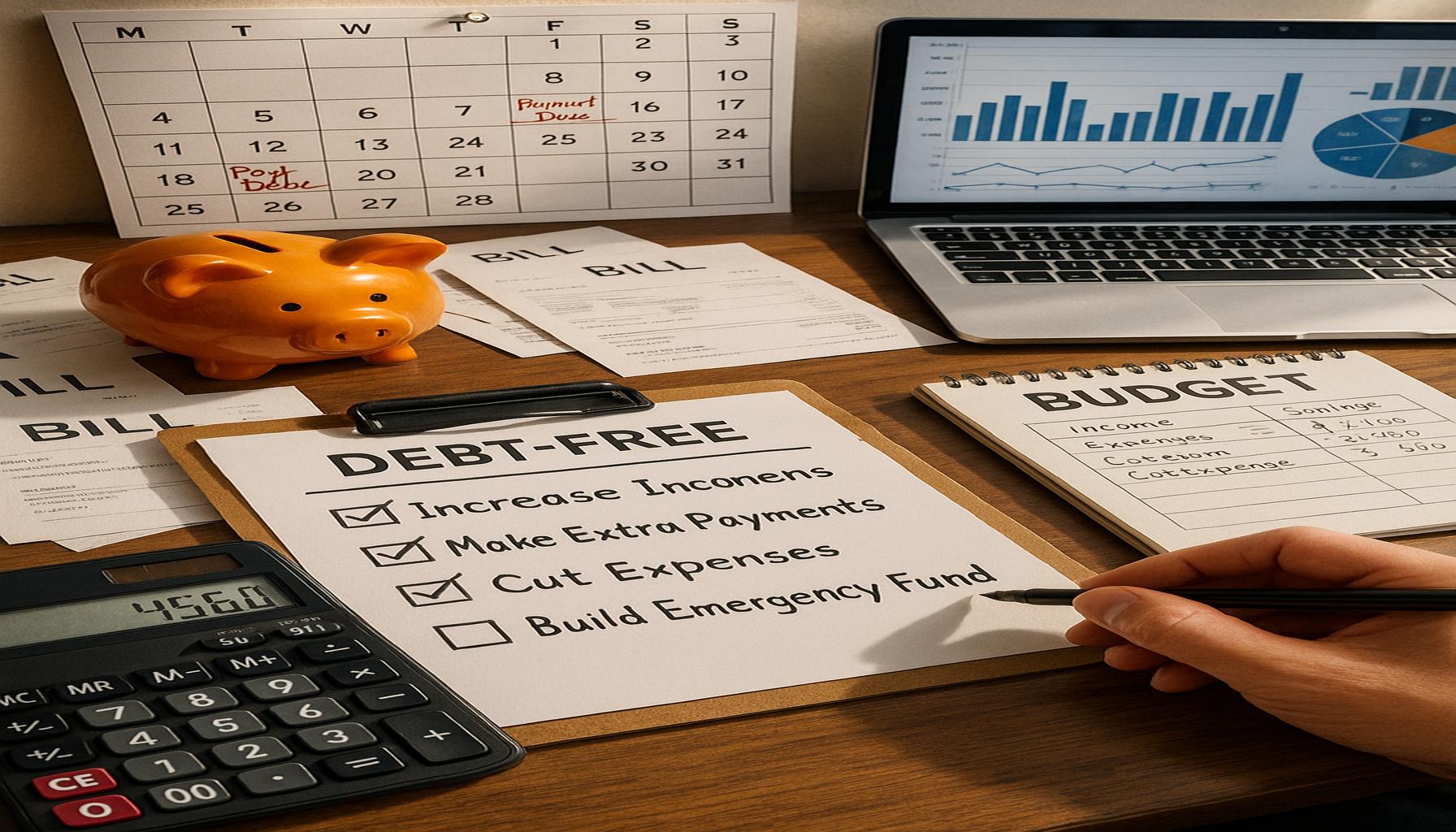
Understanding Debt Repayment Strategies
Debt can feel overwhelming, particularly when compounded by high-interest rates and multiple obligations. In the United States, where consumer debt, including credit cards and student loans, often exceeds thousands of dollars, knowing how to tackle these burdens is essential for achieving financial independence. With the right strategies in place, you can systematically address debt, reduce financial stress, and work towards a brighter fiscal future.
Among the most effective debt repayment strategies are the following:
- The Debt Snowball Method: This approach encourages you to focus on the smallest debts first. For example, if you owe $500 on one credit card and $2,000 on another, you would concentrate on paying off the $500 card entirely before moving onto the next balance. The psychological advantage of this method is significant; knocking out smaller debts quickly can provide a sense of accomplishment and motivate you to continue tackling larger debts.
- The Debt Avalanche Method: This method suggests prioritizing debts based on their interest rates rather than their balances. Suppose you have a credit card with an interest rate of 20% and another with 12%. By focusing on the higher interest debt first, you minimize the total interest you pay over time, ultimately saving you money in the long run. Research shows that while the snowball method can boost motivation, the avalanche method is statistically the more cost-effective approach.
- Debt Consolidation: If you hold multiple high-interest debts, consolidating them into a single loan with a lower interest rate can be beneficial. Offered through personal loans or balance transfer credit cards, this method simplifies your payments and can reduce your monthly obligations. For instance, if you combine three credit card debts with an average APR of 18% into one loan at 10%, you can substantially save on interest payments over time.
- Budget Adjustment: Careful analysis of your budget can reveal potential areas for savings. For instance, cutting back on non-essential expenses, such as dining out or subscription services, can free up additional funds to allocate toward debt repayment. Even minor adjustments, like brewing coffee at home instead of buying a daily latte, can contribute significantly when redirected to debt payments.
- Income Increase: Finding avenues to boost your income can also accelerate your journey to a debt-free life. Side hustles, freelance work, or even part-time jobs can generate additional income. For example, driving for a rideshare service or selling unused items online can yield extra cash that can be applied directly to your most pressing debts.
It is important to recognize that each of these methods carries its own advantages and disadvantages and may be more suitable for different financial situations. For instance, the snowball method may be more appealing for someone who thrives on motivation from quick wins, while the avalanche method may be more fitting for someone who is primarily concerned with minimizing costs.
As you embark on your debt repayment journey, consistency and commitment remain critical. Developing a tailored approach, based on an evaluation of your unique circumstances and financial goals, positions you for success. Understanding and implementing these strategies can empower you to take control of your finances, providing a clear path toward a more stable and debt-free future.
DISCOVER MORE: Click here for insights on dollar-cost averaging
Choosing the Right Debt Repayment Strategy
When it comes to debt repayment, choosing the right strategy is paramount. Each individual’s financial situation is unique, determined by factors such as income level, total debt amount, interest rates, and personal preferences. With this understanding, effective debt management also involves assessing the pros and cons of various strategies to see which one aligns best with your circumstances. Below are some key considerations for each method that can help guide your decision-making process.
1. Evaluating the Debt Snowball Method
The Debt Snowball Method entails focusing on paying off the smallest debts first, while making minimum payments on larger debts. This psychological approach is beneficial as achieving quick wins can boost your motivation to continue the repayment process. For example, if you attack a $300 debt and pay it off within the first month, you’ll experience a sense of achievement that can spur you on. However, one must consider that this method can potentially lead to paying more in interest over time due to the tendency to prioritize low-balance accounts rather than high-interest debts. For someone with significant financial stress, the motivation might outweigh a few extra dollars spent in interest, making this method a suitable choice.
2. Analyzing the Debt Avalanche Method
Alternatively, the Debt Avalanche Method is a mathematically-driven strategy that prioritizes debts with the highest interest rates first. By paying off debts with higher rates, borrowers can save money in the long run and reduce the overall repayment period. For instance, let’s say you have a credit card balance of $3,000 at a 22% interest rate, alongside a car loan of $5,000 at 6%. By focusing on the credit card debt first, you can save considerably on interest payments over time, especially if it takes several months to pay that balance off. Statistically, the debt avalanche method results in lower total payments than the snowball method, making it financially viable for more analytically-minded individuals.
3. Understanding Debt Consolidation
Debt consolidation can also be a wise maneuver for managing multiple high-interest debts. This approach enables individuals to take several debts, ideally with varying interest rates, and merge them into one single loan with a more favorable interest rate. Research indicates that this strategy can often lead to lower monthly payments and reduce the total interest paid over time. For example, if you consolidate three credit card bills averaging 18% into a single personal loan at 10%, the resulting interest savings is substantial. However, it is crucial to carefully evaluate any fees associated with consolidation loans, as well as the terms of the loan to avoid falling into deeper debt.
- Potential Upsides of Debt Consolidation:
- Simplified payments—managing a single monthly payment instead of multiple
- Potential lower interest rates can save money
- Improved credit utilization ratio as debts are paid off
- Considerations Before Consolidation:
- Potential fees that could negate interest savings
- Impact on credit score during the application process
- Possibility of accruing more debt if spending habits don’t change
Each of these strategies has distinct features and advantages, and one may resonate more than another based on your personal financial psyche and goals. By thoroughly evaluating the above methods, you can choose a path that not only fits your financial conditions but also keeps you motivated to achieve a debt-free life.
DISCOVER MORE: Click here for budget hacks that really work
Additional Strategies for Accelerating Debt Payment
While the Debt Snowball, Debt Avalanche, and Debt Consolidation methods are well-established frameworks for managing debt, there are supplementary strategies that can augment your repayment efforts and help expedite the process of getting out of the red.
1. Budgeting for Debt Repayment
Implementing a stringent budgeting plan is a critical strategy when attempting to pay down debt effectively. By analyzing your monthly income and essential expenses, you can identify how much surplus cash you have available for debt repayment. According to a report from the National Endowment for Financial Education, individuals who maintain a written budget are more likely to feel in control of their finances and achieve their goals more effectively. When crafting a budget, consider using the 50/30/20 rule: allocate 50% of your income to necessities, 30% to discretionary spending, and 20% towards savings and debt repayment. By prioritizing debt within this framework, you can ensure that you are consistently applying extra funds to reduce your debt over time.
2. Leveraging Windfalls and Extra Income
Occasionally, individuals receive unexpected financial windfalls such as tax refunds, bonuses, or inheritance. Channeling these funds directly towards debt repayment can provide a significant boost in your efforts to become debt-free. For instance, if you receive a tax refund of $3,000, applying this amount to your highest-interest debt could drastically shorten the payment term and minimize the total interest paid. Additionally, consider exploring side hustles or part-time work to generate additional income. A 2022 survey by Bankrate found that 45% of Americans take on gig work or freelance jobs to supplement their earnings. Dedicating a portion of this extra money towards debt repayment can accelerate your timeline for financial freedom.
3. Utilizing Automatic Payments
Setting up automatic payments for your debts is a proactive approach that helps ensure you never miss a due date, thus avoiding late fees and additional interest charges. Many lenders offer a discount for enrolling in auto payments, which can further enhance your savings over time. By automating payments, you create a consistent habit of reducing your debt without having to monitor it daily. According to a study from the Consumer Financial Protection Bureau, borrowers who automate their payments are more likely to find themselves successfully managing their debt due to the reduced risk of missed payments. However, always maintain sufficient funds in your account to avoid overdraft fees.
4. Seeking Professional Financial Guidance
If you find yourself overwhelmed by debt, enlisting the help of a financial advisor or credit counseling service could provide beneficial insights. As per the National Foundation for Credit Counseling, a professional can assist you in developing a tailored debt repayment plan, which may include debt management plans (DMPs), negotiation of lower interest rates, or options for consolidating debt. Engaging an expert can provide emotional support and accountability while keeping you informed of your choices, resulting in a more effective debt repayment journey.
5. Reevaluating Lifestyle Choices
Finally, a shift in lifestyle could also contribute significantly to accelerating debt repayment. Assess your current spending habits and identify areas where adjustments can be made. For instance, cutting non-essential expenses like subscription services, dining out, or even reducing utility consumption could free up more funds for debt repayment. A 2021 survey from the Bureau of Labor Statistics reported that households often spend an average of $250 per month on restaurant dining alone. By reallocating a portion of these funds towards your debt, you hasten your journey to financial stability.
Incorporating these additional strategies with the primary debt repayment methods discussed earlier can lead to a more accelerated and effective overall approach. By being diligent, resourceful, and informed, you can navigate your way out of debt in a more efficient manner, setting a solid foundation for financial security moving forward.
DISCOVER MORE: Click here to learn how to maximize your rewards
Conclusion
In conclusion, implementing effective strategies to accelerate debt repayment is essential for individuals striving for financial freedom. By utilizing recognized methods such as the Debt Snowball, Debt Avalanche, and Debt Consolidation, combined with comprehensive budgeting techniques, you can gain better control over your financial landscape. Additionally, allocating unexpected windfalls, like tax refunds or bonuses, directly to your debts can create remarkable strides in reducing balances quickly.
Furthermore, automating payments is a practical approach that minimizes missed deadlines, thus avoiding unnecessary additional fees. Seeking professional financial guidance can also provide tailored strategies suited to your unique financial situation, offering valuable insights and moral support throughout your journey. Finally, reevaluating your lifestyle choices may uncover achievable opportunities to save money, which can then be redirected to accelerate debt repayment. A study by the American Household Credit Card Debt Survey revealed that households could save hundreds monthly by cutting discretionary spending.
Ultimately, adopting a proactive mindset and leveraging these various strategies not only expedites your departure from the red but also establishes a sustainable path towards a debt-free future. With diligence, informed decision-making, and consistent effort, you can pave the way for enhanced financial security and well-being moving forward. Remember, every small action contributes to a more substantial outcome on your path to financial independence.

Linda Carter
Linda Carter is a writer and expert known for producing clear, engaging, and easy-to-understand content. With solid experience guiding people in achieving their goals, she shares valuable insights and practical guidance. Her mission is to support readers in making informed choices and achieving significant progress.