
How to Start Investing with Little Money: Tips for Beginners
Discover how to start investing with little money through accessible platforms and strategies tailored for beginners. Learn about low-cost options like ETFs, robo-advisors, and fractional shares, emphasizing financial goals and risk tolerance. With informed decisions, even modest investments can lead to significant long-term wealth.

How to Create a Diversified Portfolio to Maximize Your Returns
Creating a diversified portfolio is essential for maximizing returns and managing risk. By strategically allocating assets across various classes, industries, and geographies, investors can enhance stability and seize opportunities. Regularly reviewing and rebalancing the portfolio ensures alignment with market dynamics and personal financial goals, fostering long-term investment success.

Effective Strategies to Speed Up Debt Payments: The Avalanche Method vs. the Snowball Method
Explore effective strategies for speeding up debt payments with the Avalanche and Snowball methods. The Avalanche method targets high-interest debts for cost savings, while the Snowball method focuses on small debts to boost motivation. Choose the strategy that best aligns with your financial situation and goals for successful debt management.

How to Apply for the Capital One Venture X Credit Card Step-by-Step Guide
Unlock the potential of the Capital One Venture X credit card with 2X miles on every purchase, $300 annual travel credit, and complimentary lounge access. Enjoy expedited security with Global Entry or TSA PreCheck credits and comprehensive travel protection. Maximize rewards and enhance your travel experiences effortlessly.

Investing in Cryptocurrencies: What You Need to Know Before Entering This Volatile Market
Investing in cryptocurrencies offers exciting opportunities alongside significant risks. Understanding market volatility, diverse options, regulatory landscapes, security challenges, and effective investment strategies is crucial. By prioritizing thorough research and staying informed, investors can navigate this volatile market more successfully and optimize their potential returns.

The different types of investments: stocks, bonds, and real estate
Investing in diverse assets like stocks, bonds, and real estate is vital for wealth accumulation and financial security. Each investment type offers unique benefits and risks, enabling investors to build tailored strategies. Understanding these differences helps individuals achieve their financial goals while managing risk effectively.
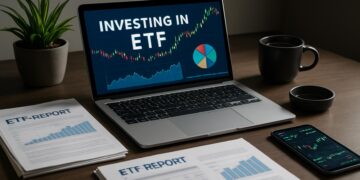
Investing in ETFs: Advantages and Disadvantages for the Modern Investor
Explore the advantages and disadvantages of investing in Exchange-Traded Funds (ETFs) for modern investors. With benefits like low fees, liquidity, and diversification, ETFs can enhance portfolios. However, potential risks such as market volatility, tracking errors, and trading costs must be carefully considered for informed investment decisions.

The Role of Personal Finance Applications in Debt Management and Acceleration of Payments
Personal finance applications play a crucial role in debt management by providing users with tools to budget, track debts, and automate payments. By enhancing financial literacy and facilitating strategic repayment methods like the avalanche and snowball techniques, these apps empower users to accelerate payments and achieve financial independence.

The Impact of Mindset on Debt Reduction: How Psychology Can Help Pay Off Faster
Discover how a proactive mindset can enhance debt reduction efforts. By leveraging psychological principles, such as emotional intelligence, goal-setting, and resilience, individuals can transform their financial behavior. This article explores strategies that empower effective debt management, fostering motivation and paving the way toward lasting financial stability.

How to Create a Monthly Budget to Accelerate Debt Repayment and Increase Savings
Learn essential steps to create a monthly budget that accelerates debt repayment and enhances savings. A well-structured budget helps individuals manage expenses, set financial goals, and prioritize debt reduction, ultimately paving the way for financial stability and security. Embrace budgeting today for a prosperous tomorrow.