Effective Strategies to Speed Up Debt Payments: The Avalanche Method vs. the Snowball Method
Understanding Debt Management Strategies
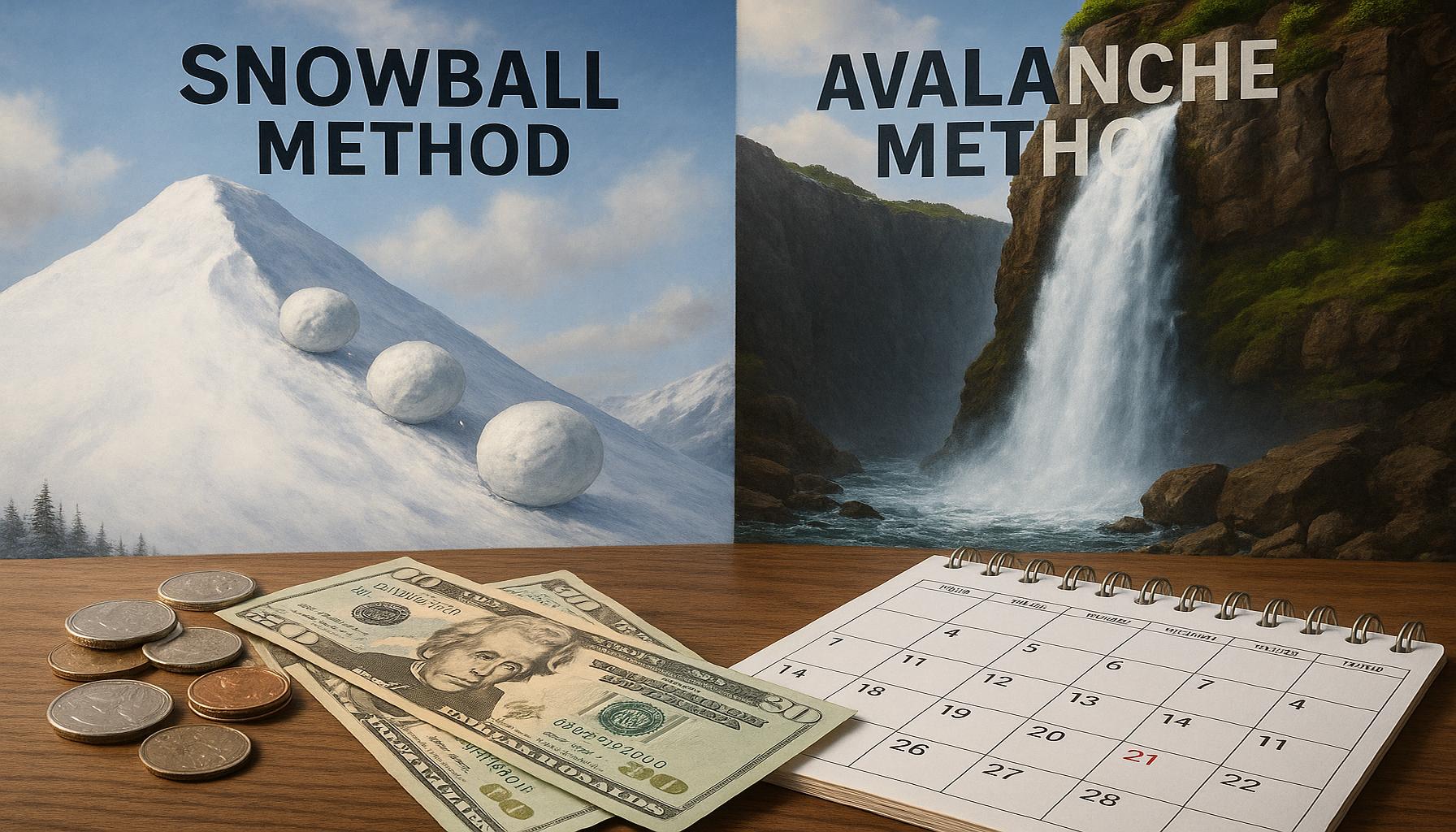
Managing debt effectively is a critical skill that can significantly affect an individual’s financial health and overall quality of life. As people seek ways to navigate financial obligations, understanding various repayment strategies becomes essential. Two of the most discussed methods are the Avalanche Method and the Snowball Method. Each of these strategies offers different approaches, making it important for individuals to evaluate their unique circumstances before choosing one.
Avalanche Method
The Avalanche Method is grounded in the principle of minimizing interest payments. Under this structure, individuals focus their extra financial resources on paying off debts with the highest interest rates first. This strategy is particularly advantageous for those with multiple debts, such as credit cards, student loans, or personal loans, as it saves money over time by significantly reducing the total interest paid.
For example, if an individual has three debts—one with a 20% interest rate, another at 15%, and a third at 10%—the Avalanche Method would direct extra payments towards the debt with the 20% rate until it is eliminated. Once that debt is paid off, the next highest interest debt will receive the additional payments. This method not only minimizes total interest expenses but also accelerates the journey towards being debt-free.
Snowball Method
In contrast, the Snowball Method takes a more psychology-driven approach. This technique focuses on paying off the smallest debts first, regardless of their interest rates. The rationale behind this method is that eliminating smaller debts quickly can provide a series of psychological victories, which may bolster motivation and commitment to remaining on the repayment track.
For instance, if a person has debts of $500, $2,000, and $5,000, the Snowball Method suggests that the individual should first focus on the $500 debt, paying it off completely before moving on to the next smallest amount. This quick success can encourage individuals to stick with their repayment plan and ultimately tackle larger debts over time. However, while the Snowball Method enhances psychological motivation, it can lead to higher overall interest payments compared to the Avalanche Method.
Evaluating Your Options
The decision between the Avalanche and Snowball methods will largely depend on an individual’s financial situation and personal preferences. Those with high-interest debts may benefit more from the Avalanche Method due to its cost-saving potential, while individuals who require regular affirmation and motivation may find the Snowball Method more effective for maintaining momentum.
Both methods share the ultimate goal of achieving financial freedom. Thus, understanding the advantages and disadvantages of each can equip individuals with the necessary knowledge to devise a tailored repayment strategy. By analyzing their options thoughtfully, readers can make informed decisions that align with their financial aspirations, enhancing their likelihood of success in debt management.
DIVE DEEPER: Click here to learn how to apply
Comparing Debt Payment Strategies
When considering debt repayment strategies, individuals often find themselves balancing various factors, including interest rates, payment timelines, and personal motivation. The choice between the Avalanche Method and the Snowball Method involves a careful assessment of one’s financial goals and emotional triggers. Each method has its unique strengths and weaknesses, contributing to the overall effectiveness of debt management.
Key Benefits of the Avalanche Method
The Avalanche Method is centered on addressing high-interest debts first, which serves to minimize the total interest paid over time. This method is particularly beneficial in the following ways:
- Cost Efficiency: By tackling the highest interest rates first, individuals can save substantial amounts in interest payments. For instance, focusing on a debt with a 20% interest rate rather than one with a lower rate can lead to significant savings.
- Faster Debt Repayment: Paying off higher interest debts more quickly allows individuals to redirect funds to other obligations sooner, resulting in a shorter overall repayment timeline.
- Mathematical Advantage: The Avalanche Method is mathematically sound, as it reduces the principal balance more effectively, thus impacting the total interest amount due.
However, the Avalanche Method is not without its challenges. For some individuals, the higher interest debts may take longer to pay off, leading to feelings of frustration and discouragement. Those who may quickly lose motivation could benefit from the immediate successes provided by the Snowball Method.
Benefits of the Snowball Method
The Snowball Method, on the other hand, prioritizes smaller debts, allowing individuals to experience rapid wins that can foster accountability and persistence. The benefits of this approach include:
- Quick Wins: Paying off smaller debts provides immediate results, which can significantly boost morale and encourage individuals to remain dedicated to their debt repayment journey.
- Behavioral Motivation: The psychological fulfillment of eliminating debts can create a positive feedback loop; as debts are paid off, individuals may feel empowered to tackle larger amounts with renewed vigor.
- Improved Financial Management Habits: Successfully managing smaller debts can instill better budgeting practices, encouraging individuals to adopt a systematic approach toward their overall financial health.
Despite its motivational benefits, the Snowball Method may lead to longer repayment periods and increased interest expenses. Those with a significant number of high-interest debts may find themselves paying more in the long run by utilizing this method.
Choosing the Right Method for You
Ultimately, the decision between the Avalanche and Snowball methods should reflect an individual’s financial situation, psychological tendencies, and long-term goals. A thorough understanding of each method’s advantages can help individuals not only select the right strategy but also tailor it to their circumstances. As the financial landscape varies widely among individuals, evaluating one’s own motivations and goals remains crucial for effective debt management.
DISCOVER MORE: Click here for details on applying
Factors to Consider When Choosing a Method
When deciding between the Avalanche and Snowball methods for debt repayment, it is essential to evaluate various factors that can significantly influence the efficacy of either strategy. Understanding these factors can lead to informed decisions tailored to individual financial circumstances, thereby enhancing overall debt management efforts.
Interest Rates and Amounts
One of the primary considerations should be the interest rates and the total amounts of debts. High-interest debts can accumulate quickly, leading to larger financial burdens. Those with a majority of their debts bearing high-interest rates may find the Avalanche Method more beneficial in the long run, as it strategically directs payments where they will have the most impact. Conversely, if the majority of debts are of smaller amounts, utilizing the Snowball Method may provide a quicker route to feeling accomplished and motivated.
Psychological Considerations
Behavioral finance plays a significant role in effective debt management. For many individuals, the psychological aspect of debt repayment cannot be overstated. Those who are motivated by quick wins may thrive on the successes of the Snowball Method. The positive emotional reinforcement gained from clearing smaller debts tends to combat feelings of frustration that might otherwise arise when paying down larger debts. Research by the National Bureau of Economic Research has shown that individuals experiencing psychological satisfaction from closing accounts often maintain better overall financial habits in the long run.
Income Stability and Future Planning
Another element to consider is one’s income stability. Individuals with reliable and predictable income may feel more inclined to tackle high-interest debts aggressively through the Avalanche Method since they can afford a consistent and higher payment schedule. Alternatively, those with fluctuating income, such as freelancers or seasonal workers, might want to consider starting with the Snowball Method. Paying off smaller debts could provide a cushion of financial stability, allowing for greater flexibility during periods of income variability.
The Role of Budgeting
Effective budgeting is a critical part of both repayment strategies. Before selecting a method, individuals should examine their overall financial habits. By establishing a rigorous budget, they can allocate funds towards debt payments more efficiently. The Avalanche Method may require a more stringent adherence to budgeting, as the focus on higher interest debts necessitates a deeper understanding of how to optimize available funds. On the other hand, the Snowball Method may offer a more approachable way to integrate debt payments into a budget, as the numerous small wins can create a sense of control and stability.
Long-Term Financial Goals
Lastly, aligning the chosen method with one’s long-term financial goals is crucial. For instance, individuals who aspire to improve their credit scores imminently may favor strategies that stress the importance of reducing the debt-to-income ratio quickly, which can often be achieved by eliminating smaller debts first using the Snowball Method. Alternatively, those aiming for overall financial optimization might be inclined to adopt the Avalanche Method, as it plays a pivotal role in minimizing interest expenses and effectively managing larger debt amounts over time.
In conclusion, while both the Avalanche and Snowball methods offer unique advantages, identifying the optimal choice requires a holistic assessment of one’s financial landscape, behavioral tendencies, and overarching goals. By drawing on a structured approach tailored to individual circumstances, one can establish a clear path toward efficient debt repayment.
LEARN MORE: Click here for tips on paying off credit card debt faster
Conclusion
In summary, both the Avalanche Method and the Snowball Method present effective strategies for expediting debt repayments, each catering to varying financial situations and psychological needs. The Avalanche Method, which primarily focuses on eliminating high-interest debts first, proves advantageous for individuals prioritizing long-term cost savings. For example, if a person has $5,000 in credit card debt at 20% interest and an additional $5,000 in student loans at 5% interest, the Avalanche Method would prioritize the credit card debt, thereby saving more on interest payments over time. This approach helps those striving for optimal financial management by reducing the total interest paid and accelerating the journey toward financial freedom.
Conversely, the Snowball Method appeals to those seeking motivational boosts through quick debt payoffs. By focusing on the smallest debts first, individuals may experience a rapid sense of accomplishment that can positively influence their spending habits and overall financial discipline. For instance, paying off a $1,000 personal loan can provide a strong psychological win, encouraging further commitment to debt repayment. This method is especially beneficial for individuals who thrive on short-term successes, as it fosters a positive feedback loop that can sustain motivation and drive.
Ultimately, selecting the right approach hinges on evaluating interest rates, psychological factors, and income stability. It is also essential to consider one’s financial resilience in the midst of unexpected expenses. Moreover, integrating an effective budgeting strategy is crucial; clear financial planning can enhance the effectiveness of either method chosen. Aligning the selected method with one’s long-term financial goals will further ensure consistent progress and motivation throughout the debt repayment journey.
In light of these considerations, individuals are encouraged to assess their unique financial landscapes thoughtfully. This involves understanding not only the debts currently held but also future financial aspirations, as this will aid in choosing the most fitting method for debt repayment. Establishing a more secure financial future requires diligent planning and thoughtful execution. By taking informed steps today—such as creating a detailed budget, seeking financial literacy resources, and exploring additional income avenues—one can pave the way toward lasting financial freedom and stability while effectively managing debt obligations.

Beatriz Johnson is a seasoned financial analyst and writer with a passion for simplifying the complexities of economics and finance. With over a decade of experience in the industry, she specializes in topics like personal finance, investment strategies, and global economic trends. Through her work on True Metronome, Beatriz empowers readers to make informed financial decisions and stay ahead in the ever-changing economic landscape.