How to Create an Emergency Fund to Avoid New Debts while Paying Current Ones
Importance of an Emergency Fund
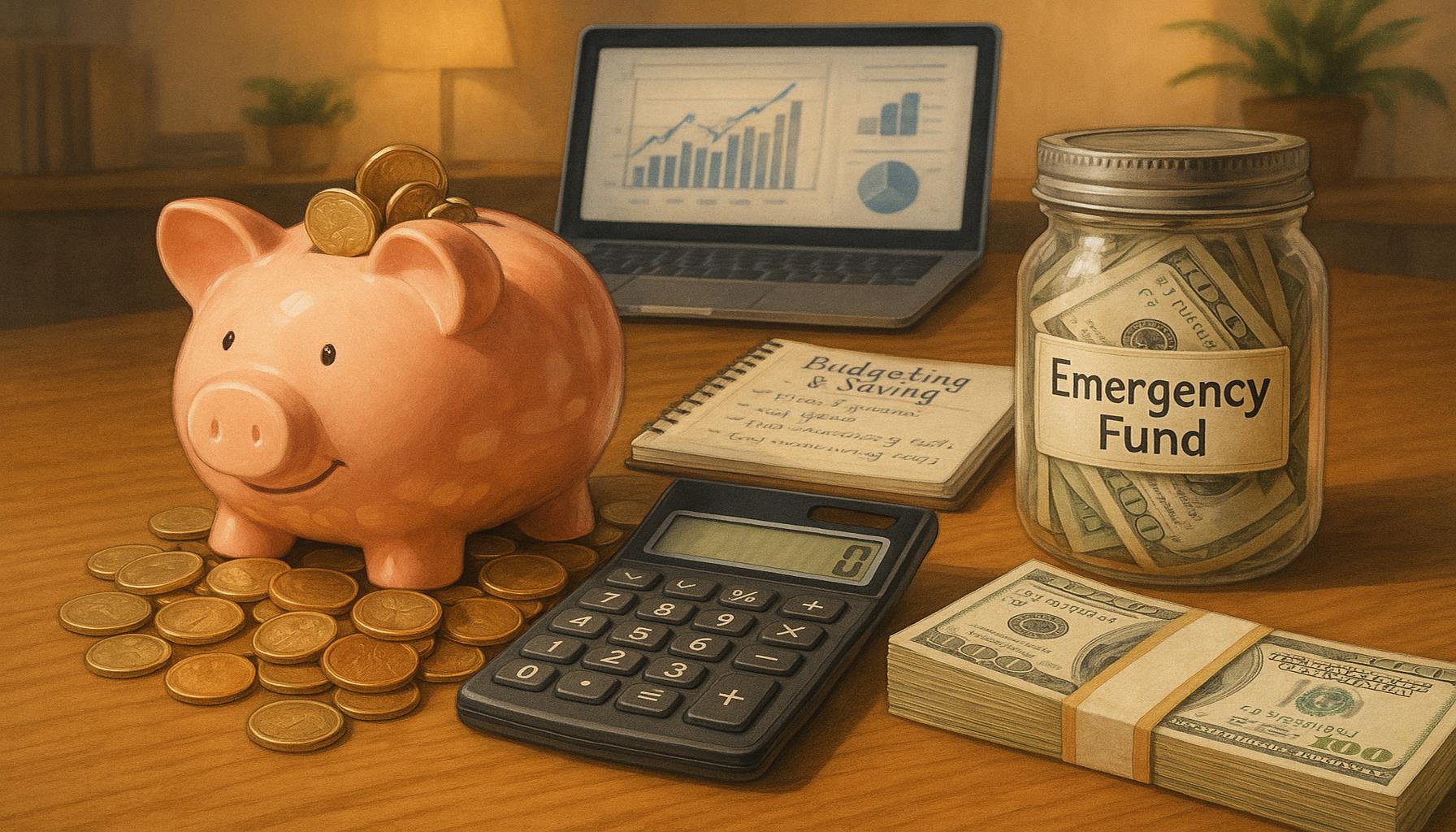
In today’s unpredictable economic landscape, having a financial cushion is not just a smart decision; it’s a necessary safeguard. An emergency fund provides you with the means to address unforeseen expenses that often arise, such as medical emergencies, urgent car repairs, or sudden job loss, without resorting to high-interest debt solutions.
The importance of establishing an emergency fund cannot be overstated. One of the most compelling reasons is the sheer unpredictability of life. For instance, according to a 2021 survey by the Federal Reserve, nearly 40% of Americans would struggle to cover a $400 emergency expense using cash or savings. This statistic illustrates a troubling reality: many individuals are ill-prepared for financial surprises, which can lead to a vicious cycle of debt that may take years to escape.
Unexpected Expenses: Life is full of uncertainties, and the expenses that accompany them can appear out of nowhere. An emergency might manifest in the form of a sudden medical condition that requires immediate attention, or an unforeseen car breakdown that demands extensive repairs. In these scenarios, having an emergency fund can mean the difference between comfortably handling these situations and being forced to rely on credit cards with high interest rates, which only exacerbate financial difficulties in the long run.
Debt Management: When the unexpected occurs, many turn to credit cards or personal loans as a quick solution. However, this strategy often leads to accumulating more debt, causing financial strain. By maintaining an emergency fund, you can handle financial setbacks directly from your savings, allowing you to preserve your credit score and manage existing debts better. For example, if you have an emergency fund of $1,000, you could cover minor expenses or even assist with a month’s rent in case of job disruption, thereby mitigating the need to turn to lenders.
Peace of Mind: Knowing there is a financial buffer in place allows individuals to concentrate on long-term financial objectives, such as saving for retirement, purchasing a home, or paying off debt. The psychological benefit of having an emergency fund cannot be overlooked; it alleviates anxiety during financially challenging times, enabling a more proactive approach to budgeting and saving.
Building an emergency fund involves a conscious effort and strategic planning. It requires setting a budget, prioritizing savings, and choosing the right savings vehicle. Many financial experts recommend having at least three to six months’ worth of living expenses set aside, though this can vary based on personal circumstances. For example, a single individual with no dependents may aim for three months’ worth, while a family with children may find a six-month cushion more appropriate.
In the upcoming sections, we will delve into practical steps and strategies for creating an effective emergency fund tailored to your individual financial needs and circumstances. With a dedicated approach, you can fortify your financial stability and avoid the pitfalls of unplanned expenses.
DISCOVER MORE: Click here for safe investing tips
Steps to Establish Your Emergency Fund
Creating a robust emergency fund is a step-by-step process that requires discipline and focus. Here are some essential steps to help you build an emergency fund tailored to your specific financial situation:
1. Assess Your Financial Situation
The first step to establishing an emergency fund is to conduct a thorough assessment of your current financial situation. This involves examining your income, expenses, and existing debts. A clear understanding of your cash flow will provide insight into how much you can realistically allocate towards savings. Start by:
- Calculating your total monthly income after taxes.
- Listing all fixed and variable expenses, such as rent, utilities, groceries, and entertainment.
- Identifying discretionary spending that can be reduced or eliminated.
Once you have a comprehensive view of your finances, you can set a savings goal that aligns with your needs. Experts generally recommend saving enough to cover three to six months’ worth of living expenses, but this amount can vary based on individual circumstances.
2. Set a Realistic Savings Goal
Establishing a specific savings target is crucial for motivation and accountability. When determining your goal, consider factors like:
- Your current monthly expenses and any anticipated increases.
- Job stability and whether you work in a high-risk industry prone to layoffs.
- Your overall financial obligations, such as existing debts, which may need prioritizing.
For instance, a family of four might aim for a higher emergency fund to manage their expenses, whereas a single individual might target a relatively lower amount. Setting a clear goal helps you track progress and alters your spending habits towards savings.
3. Create a Monthly Budget
Once you’ve established a savings goal, it’s crucial to develop a monthly budget that allocates funds towards your emergency fund. A well-structured budget allows you to clearly see where your money is going, how much you can save, and helps mitigate unnecessary expenses. Begin by:
- Choosing a budgeting method that works for you, whether it’s the 50/30/20 rule, zero-based budgeting, or another strategy.
- Prioritizing your emergency fund as a line item in your budget, treating it with the same importance as essential bills.
- Reviewing and adjusting your budget regularly to reflect any changes in your income or expenses.
By giving your emergency fund the priority it deserves, you gradually lay the groundwork for financial security, making it possible to handle unexpected costs without incurring debt.
4. Choose the Right Savings Vehicle
Selecting an appropriate savings account for your emergency fund is vital for both accessibility and growth. Consider the following options:
- High-Yield Savings Accounts: These accounts typically offer higher interest rates than traditional savings accounts, allowing your money to grow at a faster pace.
- Money Market Accounts: These provide limited check-writing capabilities while often yielding competitive interest rates.
- Certificates of Deposit (CDs): While these offer higher interest rates, they require you to lock in your money for a fixed term, which may not be ideal for emergency funds.
When selecting an account, prioritize liquidity and ease of access, ensuring you can withdraw funds without incurring penalties for emergencies that demand immediate attention.
By following these steps, you’re well on your way to creating a solid emergency fund that not only protects your financial wellbeing but also helps you manage existing debts effectively. In the following sections, we will explore strategies to bolster your emergency fund even further and tips to maintain it in the long run.
DISCOVER MORE: Click here to learn about the impact of credit card interest rates
Enhancing Your Emergency Fund Strategy
Once you’ve established the foundational steps for creating your emergency fund, the next stage involves enhancing your strategy to ensure it’s effective and robust. Building a sizable emergency fund is not a one-time effort; it requires ongoing commitment and adaptation based on life changes and financial dynamics. Here are advanced strategies to bolster your emergency fund:
5. Automate Your Savings
One effective way to grow your emergency fund is to automate your savings contributions. By setting up automatic transfers from your checking account to your savings account, you can ensure consistency without having to remember each month. Consider the following:
- Direct Deposit: If your employer allows it, direct a portion of your paycheck into your emergency fund. This makes saving effortless and less prone to the temptation of spending that money.
- Scheduled Transfers: Setting up automatic transfers right after you receive your income can effectively segregate your savings from your everyday spending money.
- Incremental Increases: As your financial situation improves or you receive raises, increase the amount automatically transferred to your emergency fund to speed up your savings growth.
Automation not only helps in building your savings but also combats the psychological barriers of saving, making it less likely for you to spend funds that are designated for emergencies.
6. Regularly Review and Adjust Your Fund
Your financial landscape is ever-changing; thus, it’s crucial to regularly review the status of your emergency fund. Perform this check at least bi-annually or yearly. Key considerations include:
- Inflation: Rising prices can erode the purchasing power of your saved cash. Update your emergency fund target to reflect your current living expenses and inflation rates.
- Life Changes: If you experience significant life events such as marriage, childbirth, or a job change, adjust your savings goal to account for new financial responsibilities.
- Debt Levels: As you pay off existing debts, determine if these changes allow you to divert more funds towards your emergency savings.
By assessing your emergency fund against current economic conditions and personal changes, you can ensure that your savings remain adequate for any unforeseen circumstances.
7. Consider Supplementary Income Sources
To accelerate your emergency fund accumulation, consider developing supplementary income streams. This can significantly boost your savings without straining your primary income. Options include:
- Freelancing or Consulting: Utilize skills from your primary job to take on freelance opportunities, creating a dedicated flow of income for your emergency fund.
- Part-Time Work: If time permits, engaging in part-time work or gigs can provide a robust way to increase savings deliberately.
- Passive Income Strategies: Investing in low-maintenance assets or dividend-yielding stocks can yield returns over time that you can funnel directly into your emergency savings.
Having supplementary income can relieve the burden of saving from your primary paycheck, allowing you to build your fund faster while maintaining your current debt obligations.
8. Maintain Discipline and Avoid Dipping Into Your Fund
As your emergency fund grows, it is critical to maintain discipline regarding its utilization. An emergency fund serves a specific purpose: to provide financial assistance during unforeseen events, not for planned expenditures or desires. To uphold this discipline:
- Define Emergencies: Clearly outline what constitutes an emergency—such as medical expenses, car repairs, or job loss—to help avoid the temptation of tapping into your savings for non-urgent costs.
- Track Expenses: Keeping a close eye on your spending can help you distinguish between needs and wants, reinforcing the discipline required to maintain your emergency fund.
- Replenish After Use: If you do need to use your emergency fund, make a plan to replenish it as soon as possible to return to your previous level of financial security.
Discipline in managing your emergency fund will protect you during unexpected financial turbulence and prevent the cycle of accumulating new debts.
DISCOVER MORE: Click here for practical tips on financial freedom
Conclusion
In today’s unpredictable financial landscape, establishing an emergency fund is not merely advisable; it is essential for anyone looking to avoid new debts while managing existing financial obligations. As highlighted throughout this article, a well-crafted emergency fund acts as a financial buffer against life’s unexpected dilemmas, such as sudden medical expenses or job loss, reducing the need to rely on high-interest debts.
To effectively build your fund, the initial steps involve determining the appropriate savings target, creating a budget, and consistently saving—even if the amounts are small. Beyond that, enhancing your strategy through automation, regular reviews, and supplementary income sources can strengthen your financial resilience. Furthermore, maintaining discipline in the use of these funds ensures that your emergency savings remain intact for genuine emergencies rather than indulgent spending.
It is also critical to adjust your emergency fund in response to changes in your lifestyle, including inflation and personal milestones like marriage or having children. This adaptability ensures that your savings will always reflect your current circumstances and needs. Ultimately, the journey to a robust emergency fund is one of proactive planning and unwavering commitment, which yields dividends in both financial security and peace of mind.
By following these guidelines, you can foster a strong financial foundation that not only shields you from unforeseen expenses but also alleviates the stress associated with debt, allowing you to navigate your financial future with confidence.

Linda Carter is a writer and financial consultant specializing in personal finance and money management. With years of experience helping individuals and families achieve financial stability and make informed decisions, Linda shares her expertise on the True Metronome platform. Her goal is to empower readers with practical advice and strategies to take control of their finances and build a secure future.