How to Use Personal Finance Apps to Save Money

Understanding Personal Finance Apps
In today’s fast-paced world, managing finances properly is more crucial than ever. Personal finance apps emerge as critical tools for individuals looking to take charge of their money. These apps not only help users keep a close eye on their finances but also empower them to make informed decisions related to spending and saving. With the increasing popularity of these digital solutions, many are realizing that good financial management is within reach.
Features of Personal Finance Apps
One major advantage of using personal finance apps is their range of features that cater to various financial needs. Here are some key functionalities:
- Budgeting tools: Most personal finance apps provide users with the ability to create customized budgets tailored to their income and financial goals. For instance, if you earn $3,000 a month, you can allocate specific amounts for necessities like rent, groceries, and utilities, while reserving funds for entertainment or savings. By regularly monitoring your budget, you can adjust spending habits and ensure that you do not exceed your limits.
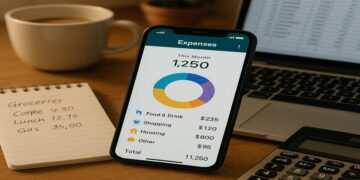
- Expense tracking: Keeping track of daily expenditures can be tedious, but personal finance apps simplify this task by automatically categorizing transactions. For example, if you buy coffee, groceries, or gas, the app recognizes and sorts these expenses, allowing you to visualize your spending patterns. This visualization can prompt you to cut back on non-essential expenses, such as those daily lattes, saving significant dollars over time.
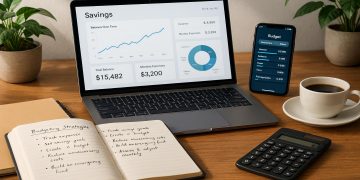
- Goal setting: Many finance apps allow you to set savings goals, whether they are for short-term needs like a vacation or long-term objectives like building an emergency fund. By specifying an amount you wish to save, such as $1,500 for a summer trip, the app can track your progress and provide reminders, making reaching your goals feel more attainable.
Benefits of Using Personal Finance Apps
Using a personal finance app can lead to enhanced financial literacy and improved decision-making. By analyzing your spending habits with detailed reports, you may discover surprising trends—like how much you spend on dining out versus cooking at home. With real-time notifications, the app prompts you when budgets are nearing their limits, helping to curb impulsive purchases.
In a country where financial literacy is often limited, these applications serve to educate users about their finances in an intuitive manner. By finding a personal finance app that aligns with your financial habits and preferences, you are taking a significant step towards transforming your financial life.
Ultimately, embracing technology in your financial management can lead to better outcomes. By leveraging these tools effectively, you will not only enhance your understanding of personal finance but also take control of your financial future.
DISCOVER MORE: Click here for valuable tips
Getting Started with Personal Finance Apps
To truly benefit from personal finance apps, you first need to understand how to choose and utilize the right one. The sheer variety of apps available can be overwhelming, but by considering your specific financial needs, you can find an application that serves you best. Here are some practical steps to help you embark on your personal finance journey:
Choosing the Right App
When selecting a personal finance app, consider various factors to ensure it aligns with your lifestyle and financial goals. Here are some tips to guide you:
- Assess your financial goals: Reflect on what you hope to achieve with the app. Are you looking to strictly budget, or do you want to track investments as well? For instance, if you aim to save for a new car, look for an app with goal-setting features.
- Evaluate compatibility: Ensure the app integrates seamlessly with your bank accounts and credit cards. Many apps allow you to sync your accounts, making it easier to monitor transactions. Compatibility with digital wallets or savings accounts can also enhance your experience.
- Read reviews: Before making a decision, take the time to read user reviews and ratings. This insight provides valuable perspectives on the app’s usability and reliability. User experiences can help you identify potential issues or highlights.
- Consider the cost: While many personal finance apps are free, some offer premium features for a fee. Assess whether the additional features justify the cost based on your budget and financial needs.
Setting Up Your App
Once you’ve chosen the ideal app, the next step is setting it up correctly. A well-structured setup can streamline your financial management significantly. Start by linking your bank accounts, credit cards, and any other relevant financial accounts to the app. Here’s how to effectively set up your app for maximum benefit:
- Input your income: Accurately enter your monthly earnings, including salary, bonuses, and any other income sources. This will form the foundation for your budgeting and goal-setting.
- Define your spending categories: Most apps allow for customizable spending categories such as groceries, dining out, transportation, and entertainment. Take the time to categorize your expenses so you can track where your money is going.
- Set spending limits: After categorizing your expenses, assign spending limits to each category based on your income. Being realistic is key here; ensure your limits align with both your needs and your larger financial goals.
- Establish savings goals: Leverage the goal-setting features in the app to create specific savings objectives. Whether saving for a vacation, an emergency fund, or a down payment on a home, clearly articulate your goals and the timeline for achieving them.
By taking these initial steps, you will have a solid foundation for managing your finances through the app. The key to success lies in consistent engagement and periodic reviews of your financial standing. Doing so will not only keep you informed but also motivate you to stick to your financial plan.
LEARN MORE: Click here to find out how
Making the Most of Personal Finance Apps
Now that you have chosen and set up your personal finance app, the next step is to actively use its features to save money and improve your overall financial management. Personal finance apps are designed to enhance your financial awareness, making it easier to identify areas where you can cut costs and increase savings. Here are some strategies to maximize the benefits of the app:
Track Your Spending
One of the main advantages of personal finance apps is their ability to track your spending in real-time. Regularly monitoring your expenses can reveal surprising patterns and help you make informed decisions. Here’s how you can effectively track your spending:
- Review daily or weekly: Make it a habit to check your purchases regularly. Many apps provide summary reports that break down spending by category, allowing you to see where your money is going. For instance, if you notice that dining out is taking a hefty chunk of your budget, you can decide to cut back and cook at home.
- Use notifications wisely: Enable spending alerts on your app to receive notifications when you are nearing your budget limits. This feature can serve as a gentle reminder to keep spending in check, potentially preventing impulse purchases.
Analyze Your Financial Habits
Personal finance apps often come with analytical tools that help you understand your financial habits over time. By analyzing these trends, you can identify opportunities for improvement:
- Monthly budget reviews: At the end of each month, review your budget. Assess how well you adhered to your spending limits, and identify which categories had excess spending. This evaluation can guide you in adjusting your budget for the following month. For example, if you overspent on groceries, consider shopping with a more structured meal plan next time.
- Track your progress on savings goals: Many apps allow you to visualize your progress towards savings goals. Monitoring your savings can be motivating and help you stay committed to your financial objectives, whether it’s a dream vacation or a new home.
Utilize Budgeting Features
A proficient personal finance app will include budgeting tools that assist you in formulating and sticking to your budget. Utilize these features to ensure you are more conscious of your spending:
- Set up specific budgets: Create separate budgets for different categories, like entertainment or personal care, and stick to them. Many apps allow for flexibility, so if a category is consistently under budget, you may decide to adjust it over time.
- Incorporate seasonal adjustments: Certain expenses can be seasonal (holidays, vacations, etc.). Anticipate these changes and adjust your budget accordingly. An app can help you allocate funds in advance, preventing last-minute financial stress.
Embrace Automation
Another essential feature of many personal finance apps is the ability to automate various financial tasks. Take advantage of these tools to save both time and money:
- Automatic savings transfers: Set up automated transfers to your savings account based on your budget and financial goals. Even if you save a small amount each month, this can add up significantly over time.
- Bill payment reminders: Use your app to set reminders for upcoming bills and expenses. Avoiding late fees can contribute to significant savings over the year.
By effectively utilizing these features and consistently engaging with your personal finance app, you’ll be on your way to making smarter financial choices that can lead to substantial savings over time. Remember, the goal is not just to track your money but to understand it, enabling you to improve your financial health.
DISCOVER MORE: Click here for insights on low-risk stock investments
Conclusion
In conclusion, personal finance apps serve as powerful tools that can help you gain greater control over your financial life while facilitating your journey towards savings and responsible spending. By leveraging features such as spending tracking, budget analysis, and automation, you can transform how you manage your finances. Regularly reviewing your spending habits and setting realistic budgets will not only reveal where you can cut back but also enhance your awareness of everyday expenses.
Moreover, embracing automation can significantly reduce the burden of managing finances, allowing you to save without the stress. With automated savings and bill reminders, you simplify the process, ensuring that your financial goals remain within reach. Effective use of these apps enables you to shift from simply tracking expenses to actively making informed financial decisions.
As you incorporate these practices into your routine, remember that patience and consistency are key. Establishing new financial habits takes time, but the rewards, including increased savings and reduced financial anxiety, are well worth the effort. Ultimately, personal finance apps empower you to take charge of your financial future, paving the way for lasting success and peace of mind. Embrace the power of technology to improve your financial literacy, enhance your budgeting skills, and achieve your savings goals.

Linda Carter is a writer and financial consultant specializing in personal finance and money management. With years of experience helping individuals and families achieve financial stability and make informed decisions, Linda shares her expertise on the True Metronome platform. Her goal is to empower readers with practical advice and strategies to take control of their finances and build a secure future.