How to Use Technology to Boost Your Savings: Financial Apps and Tools
Exploring Financial Technology
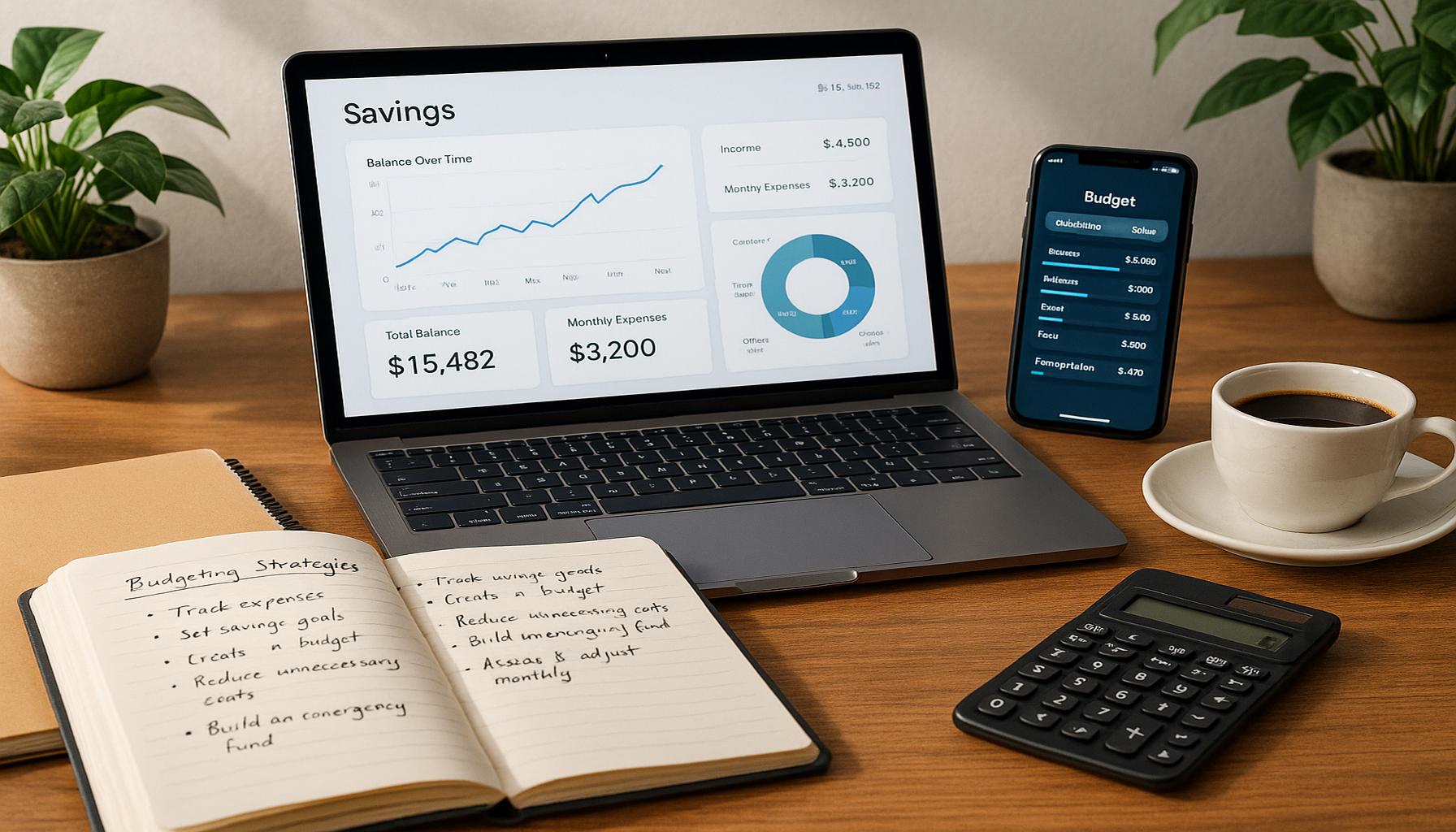
In today’s fast-paced digital world, managing your finances has never been easier—or more crucial. Technology provides a wealth of tools designed to optimize your savings and enhance your financial literacy. With the right financial apps and tools, you can take meaningful steps toward achieving your financial goals.
Consider the following benefits of using financial technology:
- Real-time tracking: Monitoring your spending and savings in real-time allows for informed decision-making. For instance, many apps connect directly to your bank accounts, categorizing transactions automatically. This feature enables you to see exactly where your money is going and adjust your spending habits accordingly. Imagine having an app that sends you a notification when you exceed your budget in a specific category, such as dining out.
- Automated savings: Automated savings tools have transformed the traditional savings process. You can set up rules that automatically transfer funds to savings accounts based on your spending patterns. For example, apps like Digit analyze your income and spending habits and suggest how much you can safely save without disrupting your day-to-day budget. This kind of automated approach can help cultivate a consistent savings habit without the stress of manual management.
- Budgeting support: Financial applications like You Need a Budget (YNAB) provide extensive features that help users create personalized budgets that reflect their unique financial situations. Rather than a one-size-fits-all approach, YNAB encourages users to allocate every dollar they earn, thus fostering a sense of financial empowerment and responsibility.
Utilizing financial apps can lead to significant savings over time. For example, research shows that users of budgeting apps can save an average of 15% more each month compared to those who do not use these tools. This is particularly relevant for individuals aiming to pay off debt, save for significant purchases, or prepare for retirement. Moreover, savings that accrue from using investment apps, like Acorns or Robinhood, can compound over time. A consistent contribution, no matter how small, can lead to wealth accumulation far beyond initial expectations, especially when investing in the stock market, where the power of compound interest works to your advantage.
In this article, we will explore various financial apps and tools tailored for different needs and how to leverage them effectively. From managing student loans to planning for a family, these applications cater to diverse financial situations. By making informed comparisons and understanding the features of each app, you can select the best options aligning with your financial objectives. Whether you’re seeking to improve your budgeting skills or exploring investment opportunities, the right tools can empower you to take control of your financial future.
DISCOVER MORE: Click here for savvy tips on saving at the grocery store and dining out
Maximizing Your Savings with Budgeting Apps
Budgeting apps serve as the cornerstone of any financial strategy, particularly for individuals looking to enhance their savings. These tools enable users to set priorities for their expenditure, maintaining awareness of both short-term spending and long-term financial goals. By employing budgeting apps, individuals gain insights into their financial behaviors and can tailor their actions to align with their saving objectives. Here are some popular budgeting applications and their unique features:
- You Need a Budget (YNAB): YNAB is built around a proactive approach to budgeting, urging users to allocate every dollar they earn. Its unique “Four Rules” methodology encourages users to live on last month’s income, provide for irregular expenses, and embrace their true expenses. This distinctive approach aims to facilitate better financial decisions and build savings over time.
- Mint: Mint is perhaps one of the most widely used budgeting tools, offering a user-friendly interface that links directly to bank accounts and credit cards. By providing a comprehensive overview of all financial transactions, it categorizes spending and creates monthly budgets accordingly. The insights from Mint can help users identify unnecessary expenses and areas for potential savings.
- EveryDollar: Developed by financial expert Dave Ramsey, EveryDollar utilizes a zero-based budgeting approach. This method ensures every dollar spent is accounted for, and users can track their spending against their budget readily. The app also offers an option to connect bank accounts, although manual entry is encouraged to promote awareness of spending habits.
Using budgeting apps can significantly impact your savings trajectory. According to a study by the National Endowment for Financial Education, individuals who actively track their finances with budgeting apps can save up to 20% more annually than those without such tools. This increase is particularly beneficial for high-cost areas, where even minor shifts in spending habits can result in substantial savings over time.
Moreover, the integration of goal-setting features in many budgeting applications allows users to establish specific saving targets, such as building an emergency fund, saving for a vacation, or setting aside money for retirement. By designing these goals into your budgeting framework, you create a visual representation of your progress, which serves as a motivational tool to maintain your saving efforts. For instance, some apps allow users to set milestones for each goal, rewarding them as they reach significant benchmarks.
Additionally, many budgeting apps provide educational resources and community support, fostering a sense of accountability among users. For example, forums and user groups allow individuals to share their budgeting success stories, tips, and strategies, creating a helpful environment for anyone aiming to improve their financial literacy and savings capabilities. With technology at your fingertips, seeking assistance and gaining knowledge has never been more accessible.
In conclusion, leveraging budgeting apps not only streamlines the process of managing finances but also instills proactive financial behavior that can lead to enhanced savings. The aforementioned applications serve as excellent starting points for anyone serious about taking control of their financial future. By understanding how to effectively utilize these tools, you can embark on a pathway toward achieving your savings goals and achieving long-term financial health.
DIVE DEEPER: Click here to uncover the risks and rewards of cryptocurrency investing
Harnessing the Power of Savings Apps
While budgeting apps lay the groundwork for effective financial management, savings apps further streamline the process of accumulating funds and reaching your financial goals. These applications drive savings behavior by automating deposits, incentivizing goals, and offering personalized insights tailored to your specific circumstances. Below are some notable savings apps that can help you maximize your savings potential:
- Qapital: This app gamifies saving by allowing users to set personal saving rules, known as “rules.” For instance, you can create a rule to save $1 every time you make a purchase or round up your transactions to the nearest dollar. This intuitive approach not only makes saving feel rewarding, but it also leverages the psychology of behavioral economics to facilitate incremental savings. Recent studies show that users of such gamified savings apps save an average of 30% more than users of traditional savings mechanisms.
- Acorns: Acorns revolutionizes the concept of savings by investing spare change automatically. By linking to your bank account, Acorns rounds up your purchases to the nearest dollar and invests the difference into a diversified portfolio tailored to your risk tolerance. This investment-oriented approach not only helps you save but also allows those savings to grow through compound interest. According to research, micro-investing tools like Acorns can potentially increase total savings by 7% annually, compared to simply keeping money in a traditional savings account.
- Stash: Stash is another investment-centric app that enables users to start saving and investing small amounts of money in fractional shares of stocks or ETFs for as little as $5. By educating users on financial literacy and investing fundamentals through bite-sized content, it encourages a long-term savings mentality. This tool is particularly beneficial for beginner investors, and a study revealed that users who consistently use Stash were twice as likely to stick to their financial goals compared to those who didn’t utilize such apps.
Data-driven insights from these savings apps enhance user experience by giving tailored advice based on spending habits, enabling users to visualize the impact of their savings plans. In fact, users reported that receiving visual feedback on their savings progress can lead to a 15% increase in motivation and adherence to their savings strategies. This feedback loop encourages setting achievable, specific targets while celebrating progress as milestones are reached.
Integrating savings challenges can further amplify your savings efforts. Many apps allow users to participate in community challenges where you can join a group aiming to save a specific amount over a predetermined timeframe. Research conducted by the American Psychological Association underscores the power of social accountability, showing that participants who shared their saving progress with a group were 50% more likely to achieve their goals compared to individuals who went solo.
Moreover, consider employing cash-back and rewards apps as a viable means to boost your savings passively. Platforms such as Rakuten and Ibotta allow users to earn cash back on their purchases, thus incentivizing slightly increased spending in exchange for tangible returns. Users can receive up to 10% cash back on regular purchases, funneling this income directly into their savings account enhances overall savings without any significant lifestyle changes.
Utilizing savings apps not only transforms the saving process from a tedious chore into an engaging activity but also empowers users to make smarter financial choices. By automating savings and diversifying investment, individuals can better leverage their funds, contributing to a more secure financial future.
DIVE DEEPER: Click here to enhance your investment strategy
Conclusion
In an increasingly digital world, leveraging technology through financial apps and tools has become a vital component for enhancing our savings strategies. From budgeting apps that provide foundational financial insight to savings platforms that automate and gamify the process, these technologies empower individuals to take control of their financial futures. The utilization of apps like Qapital, Acorns, and Stash not only streamlines saving but also cultivates a proactive approach towards investment and financial literacy.
Moreover, the incorporation of behavioral finance principles — like social accountability and gamification — into these applications has proven to significantly boost user engagement and effectiveness. Research indicates that practices such as setting personal savings rules or participating in community challenges can dramatically enhance motivation and savings outcomes. With users reporting that such features can lead to over 50% greater likelihood of reaching their financial goals, the evidence is compelling.
As we embrace these innovative tools, it’s essential to remain vigilant in evaluating the costs associated with each app and service to ensure they align with our financial goals and values. Ultimately, the strategic use of technology can not only simplify the saving process but also foster a culture of smarter financial decisions, leading to a more secure economic future. By integrating these applications into your financial routine, you may uncover new opportunities to build wealth, maximize returns, and embark on a sustainable journey toward financial freedom.

Linda Carter is a writer and financial consultant specializing in personal finance and money management. With years of experience helping individuals and families achieve financial stability and make informed decisions, Linda shares her expertise on the True Metronome platform. Her goal is to empower readers with practical advice and strategies to take control of their finances and build a secure future.