How to Use Personal Finance Apps to Track Expenses and Save Money in Ireland
Embracing Technology for Financial Management
In the fast-paced environment of today, effectively managing one’s finances is not just a necessity but a critical skill for personal and household success. Personal finance applications have revolutionized how individuals can approach this task, providing tools that are both user-friendly and powerful. These apps make it easier than ever to take control of spending habits and financial planning.
In Ireland, where the rising cost of living presents challenges for many households, the importance of employing such technology cannot be understated. The use of personal finance apps extends beyond mere convenience; they empower users with features tailored to enhance their financial literacy and discipline.
Key Features of Personal Finance Apps
Majority of personal finance apps available today come equipped with a slew of functionalities aimed at simplifying financial tracking and planning. Some standout features include:
- Expense Tracking: These apps allow users to monitor their spending in real-time by linking directly to their bank accounts. This feature not only provides a detailed breakdown of finances but can also categorize expenses—be it dining, entertainment, or utilities—thereby offering insights into where money is being spent.
- Budgeting Tools: Users can set predefined limits on various categories, effectively transforming their approach to spending. For instance, an Ireland-based user might allocate a specified amount for grocery purchases each month, thus enforcing self-discipline and curtailing overspending.
- Financial Insights: By analyzing spending patterns, apps can provide users with valuable insights, revealing trends that may go unnoticed. Such analysis can be crucial for individuals looking to optimize their financial habits by identifying unnecessary expenditures.
- Savings Goals: Creating specific targets is made easier with these applications, whereby users can set intentions to save for things like a holiday or a new car. The ability to visualize progress can be highly motivating and encourage more disciplined saving behaviors.
By utilizing these features effectively, individuals can make informed financial decisions that align with their personal goals. Systematic tracking of expenses and adherence to set budgets can help users pinpoint areas for improvement, identify potential savings, and ultimately foster a more sustainable financial future.
Conclusion
This article will delve deeper into the most effective personal finance apps currently available in Ireland, highlighting their unique features and benefits. By understanding how to utilize these tools effectively, users can significantly enhance their financial management skills and work towards achieving greater financial security.
CHECK OUT: Click here to get started with investing on a budget
Finding the Right Personal Finance App
With a plethora of personal finance applications available on the market, selecting the ideal app for your financial needs can seem daunting. However, understanding your requirements and preferences can significantly streamline this process. When choosing a personal finance app, consider the following factors:
- User Interface: The app’s usability is crucial. A clean and intuitive design will help you navigate the various functionalities with ease, ensuring you can focus on your financial goals rather than struggle with the technology.
- Data Security: Particularly in the realm of finance, safeguarding personal information is non-negotiable. Opt for apps that offer robust security measures, including encryption and two-factor authentication, to protect your financial data.
- Compatibility: Ensure the app integrates seamlessly with your existing financial institutions. It is essential to choose applications that support Irish banks and financial services to make linking your accounts trouble-free.
- Cost and Features: While many personal finance apps are available for free, some offer premium features for a subscription fee. Assess whether the additional capabilities of a paid version justify the cost by analyzing what you need most from an app.
- Support and Community: An app with a supportive user community and responsive customer service can enhance your experience. Seek platforms that provide helpful resources, tutorials, or forums where you can share experiences and advice with other users.
By taking the time to evaluate these aspects, individuals in Ireland can identify an app that suits their lifestyle and financial needs. Once an appropriate app is chosen, the next step is to leverage its features to begin tracking expenses effectively.
Setting Up Your Personal Finance App
Initialization of a personal finance application generally involves a few straightforward steps. After downloading the app, users will typically be prompted to create an account, which may involve providing basic information such as your name, email address, and a secure password. Once registered, it is common to connect your bank accounts, credit cards, and other accounts to allow for automatic transaction imports. This feature is particularly advantageous as it minimizes manual data entry, thus reducing the risk of inaccuracies.
After setting up your account, it is advisable to allocate time to categorizing your expenses. Most apps allow users to customize categories that reflect their typical spending patterns. For example, in the context of Ireland, categories may include utilities, groceries, dining out, transportation, and entertainment. A clear categorization makes it simpler to analyze where your money is going and identify areas for potential savings.
Furthermore, establishing a detailed budget is integral to financial discipline. Many applications include templates or guidelines tailored to various income levels and expenditure habits. By setting realistic budgets across different categories, users can drive themselves towards responsible spending and saving practices.
In summary, using a personal finance app is contingent upon finding the right platform and strategically setting it up. By focusing on usability, security, and feature set, users in Ireland can embark on a path toward improved financial management and enhanced savings capabilities.
DISCOVER MORE: Click here for details on applying for the Santander Everyday Long-Term Balance Transfer Card</
Utilizing Features for Efficient Expense Tracking
Once you have set up your personal finance app, the next step is to harness its features for effective expense tracking. Personal finance applications typically offer a variety of tools designed to help you analyze your spending habits, manage your budget, and ultimately save money.
Transaction Monitoring
Real-time transaction monitoring is one of the most beneficial features of personal finance apps. As transactions occur, they are automatically imported and categorized based on your predefined settings. This real-time functionality allows users to maintain an accurate overview of their spending without having to manually record each purchase. Additionally, many apps provide users with the option to set up transaction alerts for specific categories or spending limits. By enabling notifications for overspending in areas such as dining and entertainment, you are reminded to adhere to your budget more rigorously.
Visual Financial Analysis
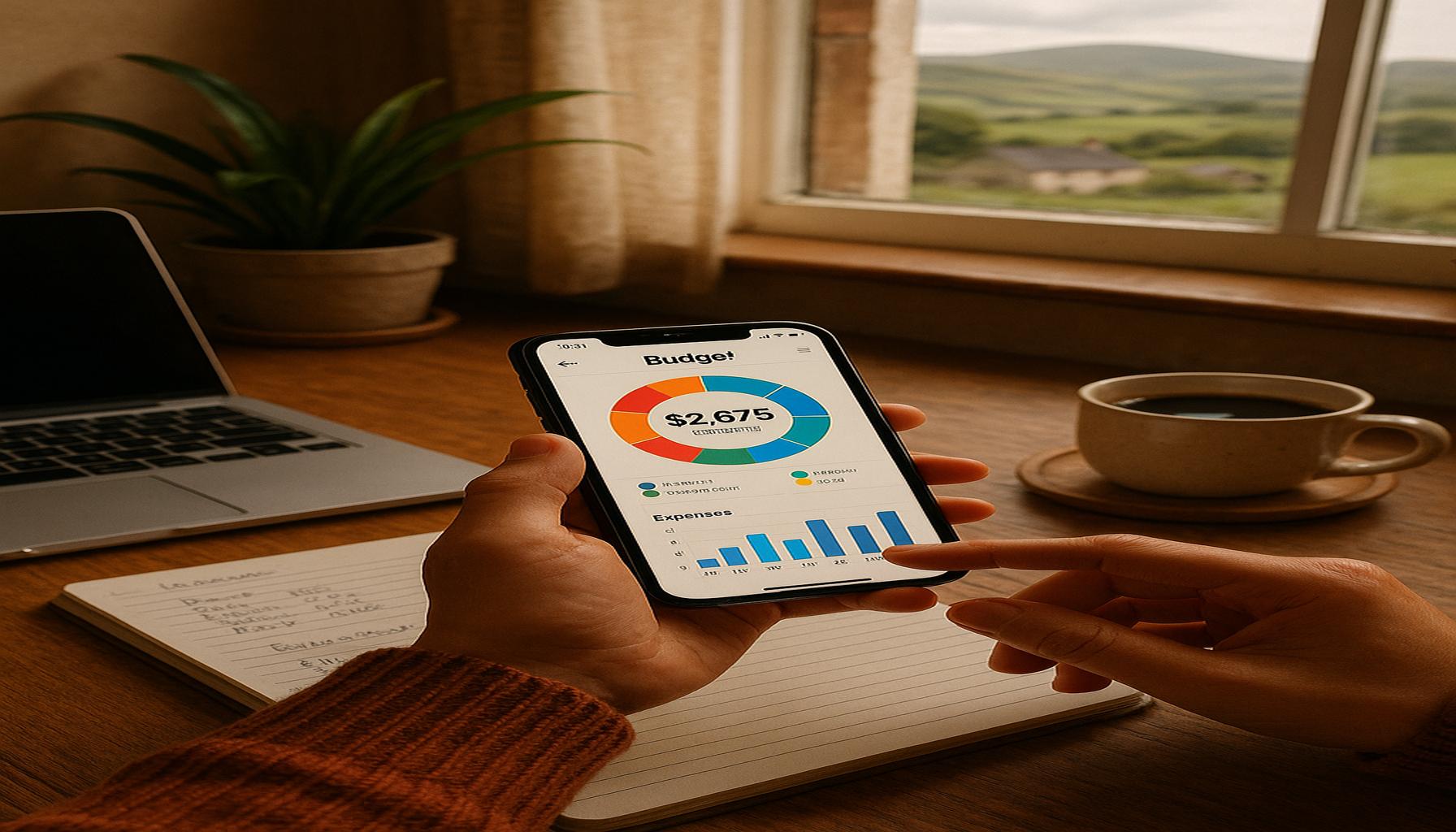
Another essential feature to leverage is the visual financial analysis tools available within these applications. Most personal finance apps display your financial data through graphs and pie charts, making it easier to interpret your spending behavior at a glance. Such visual representations can highlight spending trends and patterns, allowing you to make informed decisions about where you may need to cut back. For Ireland-based users, visualizing expenditures in specific categories, such as home heating or transportation, can reveal opportunities for cost savings during peak seasons or economically strained periods.
Bill Reminders and Payment Tracking
Many personal finance applications also integrate bill reminders and payment tracking features. This functionality is crucial for avoiding late payment fees and ensuring that all recurring expenses, such as mortgage payments, utility bills, and subscriptions, are paid on time. By setting up reminders within the app, users can maintain good financial habits and avoid unnecessary penalties that can frequently occur when payments slip through the cracks.
Setting and Monitoring Goals
In addition to tracking spending, personal finance apps typically allow users to set financial goals, such as saving for a vacation or building an emergency fund. Utilizing the goal-setting feature can provide motivation and a structured approach to savings. For instance, if you aim to save €1,500 in a year for a holiday in Spain, the app can help you establish a monthly savings target, monitor progress, and adjust spending habits accordingly. Additionally, some apps provide insights into how long it will take to reach your goals based on your current savings rate, helping you stay accountable.
Regular Reviews and Adjustments
Lastly, incorporating a routine of regular reviews and adjustments is pivotal for maximising the benefits of personal finance apps. Allocate time each month to review your spending across categories, assess your adherence to your budget, and adapt your strategies as necessary. If you notice that your budget for groceries consistently exceeds the limit, consider reevaluating your grocery shopping habits or seeking ways to reduce costs, such as opting for local farmers’ markets or meal planning. By engaging in this reflective practice, you foster a continual cycle of learning that enhances your financial literacy and improves money management over time.
DISCOVER MORE: Click here for successful application tips
Conclusion
In summary, the adoption of personal finance apps in managing financial tasks is a proactive strategy that can lead to enhanced financial oversight and savings for individuals in Ireland. These sophisticated tools provide various functionalities that can greatly assist users in maintaining an accurate overview of their finances. Features such as real-time transaction monitoring enable users to receive immediate updates on their spending habits, thereby fostering a better understanding of their expenditure patterns. For example, a user can instantly see where the majority of their income is being allocated—whether it be dining out, groceries, or entertainment—allowing them to make necessary adjustments swiftly.
Additionally, the inclusion of visual financial analysis can transform complex financial data into clear, digestible visuals. Graphs and charts can visually illustrate progress towards savings goals or highlight spikes in spending during certain periods. This visual representation is particularly beneficial for those who may struggle with interpreting numbers alone, enabling them to pinpoint areas for improvement easily.
Implementing goal-setting tools can also cultivate a sense of accountability and motivation. Users can set specific savings targets for a holiday or a new car and track their advancements over time. Achieving these milestones can reinforce good financial habits and encourage further savings. Furthermore, bill reminders play an essential role in ensuring timely payments, thus avoiding potential late fees and adverse impacts on credit scores. Establishing a routine for regular reviews of your financial status can keep budgeting efforts consistent and responsive to any financial changes or emergencies that may arise.
In Ireland, where the cost of living can fluctuate—particularly with regards to utilities, rent, and seasonal expenses such as holiday travel or back-to-school shopping—leveraging personal finance apps can provide a tailored approach to budgeting. By understanding local economic trends and personal financial behaviours, users can devise practical strategies that align with their specific circumstances.
Ultimately, personal finance apps are not merely tools; they are enablers of informed financial decision-making, significantly enhancing the user’s ability to cultivate financial security. With persistent engagement and an open mindset towards adjusting budgeting strategies as life evolves, individuals can cultivate a more stable and prosperous financial future.

Beatriz Johnson is a seasoned financial analyst and writer who is passionate about simplifying the complexities of economics and finance. With over a decade of industry experience, she specializes in topics such as personal finance, investment strategies, and global economic trends. Through her work at True Metronome, Beatriz empowers readers to make informed financial decisions and stay ahead of the curve in an ever-changing economic landscape.