The Role of Credit Cards in Building a Credit History in Ireland

The Importance of Building a Strong Credit History
Establishing a robust credit history is essential for individuals residing in Ireland, particularly in today’s competitive financial landscape. A credit card serves not only as a convenient tool for everyday transactions but also as a crucial instrument for enhancing and managing your credit score. Understanding the multifaceted advantages of credit cards can empower consumers to make informed financial decisions.
Key Benefits of Using Credit Cards for Building Credit History
Utilising a credit card wisely offers several significant benefits that contribute to a solid credit history.
- Timely Payments: One of the most impactful ways to improve your credit score is through consistent, on-time payments. Financial institutions assess your payment history to determine your reliability as a borrower. For example, consistently paying your credit card bill by the due date can lead to a noticeable increase in your credit score, thereby enhancing your overall creditworthiness.
- Credit Utilisation Rate: This refers to the ratio of your current credit card balances to your total credit limit. Maintaining a low credit utilisation rate—generally recommended to be below 30%—demonstrates responsible credit use. For instance, if your credit limit is €2,000, try to keep your outstanding balance below €600. This key factor can positively influence your credit score and indicate that you are not overly reliant on credit.
- Diverse Credit Mix: Credit scoring models favour a mix of credit types, which includes revolving credit accounts, such as credit cards, and installment loans, like personal loans or mortgages. A varied credit profile can improve your chances of obtaining credit in the future as it shows lenders that you can manage different forms of credit effectively.
Understanding Credit Score Calculations in Ireland
To effectively harness the benefits of credit cards, it is crucial to comprehend the factors that contribute to credit score calculations within Ireland. Typically, these factors include:
- Payment History: Your track record of repaying debts on time is one of the most significant elements affecting your score. Late payments can heavily damage your credit rating, so making timely payments is paramount.
- Credit Applications: Every time you apply for a new line of credit, a hard inquiry is recorded on your credit file. Numerous inquiries within a short period may indicate financial distress and can lower your credit score.
- Credit Age: The average age of your credit accounts also plays a role in scoring. A longer credit history can benefit your score, so it is advisable to keep older accounts active, even if they are not frequently used.
In conclusion, leveraging credit cards strategically can not only enhance your credit history but also pave the way for improved interest rates and more favorable loan terms in the future. This understanding is crucial for anyone in Ireland who is focused on establishing and maintaining their financial credibility. By adhering to best practices and being mindful of the factors that affect their credit score, consumers can confidently navigate their financial futures.
DON’T MISS: Click here to learn how to apply
The Mechanisms of Credit Card Influence on Credit History
In Ireland, credit cards play a fundamental role in shaping an individual’s credit history and overall financial reputation. By engaging responsibly with credit cards, consumers can significantly enhance their credit profiles and ensure better access to financial products in the future. Understanding how credit cards impact credit history requires a clear exploration of the factors involved and their implications for everyday financial management.
Creating a Positive Payment History
Establishing a positive payment history is a cornerstone of credit scoring systems. Financial institutions in Ireland place a high emphasis on an individual’s ability to repay debts on time. When a credit card holder consistently meets payment deadlines, they send a strong signal to lenders regarding their creditworthiness. Key points to consider include:
- Impact of Missed Payments: Missing a payment can have serious ramifications, leading to penalties and negatively affecting your credit score. It is essential to set reminders or automate payments to avoid lapsing on due dates.
- Grace Period Utilization: Many credit cards offer a grace period for payments, which allows users to pay off their balances within a specific timeframe without incurring interest. Leveraging this feature can help maintain timely payments while also minimizing interest expenses.
- Full Balance Payments: Paying off the full balance each month not only helps avoid interest charges but also emphasizes reliable credit behavior. This practice is highly regarded by credit scoring models.
Managing Credit Utilisation Effectively
Credit utilisation, or the percentage of available credit that is currently being used, is another significant factor influencing an individual’s credit score. An optimal utilisation rate generally falls below 30%, meaning that it’s advisable to keep outstanding balances well within this limit. Here are some strategies to manage credit utilisation:
- Regularly Monitor Spending: Tracking your spending habits closely can help maintain a lower balance compared to your credit limit, thereby enhancing your credit score.
- Increase Credit Limits Wisely: If your credit card issuer allows it and you have a good payment history, requesting a limit increase can potentially lower your utilisation rate, assuming your spending remains consistent.
- Strategic Card Use: Using multiple credit cards for different purchases can help spread out your spending, allowing you to keep individual balances minimal, therefore benefitting your credit score.
By engaging with your credit card in these practical ways, you can develop a strong credit history that reflects your ability to manage your debts responsibly. Understanding these mechanisms highlights the essential role of credit cards in not just facilitating purchases but also in crafting a favourable financial future.
DISCOVER MORE: Click here to learn how to set achievable financial goals
The Long-Term Benefits of Responsible Credit Card Use
While the immediate impacts of credit card use on credit history are crucial, the long-term benefits of responsible engagement with credit cards can prove transformative for consumers in Ireland. By fostering a healthy credit history, individuals can unlock various financial opportunities that may have previously seemed unattainable.
Establishing Diverse Credit Types
Credit scoring models often reward individuals who demonstrate the ability to manage different types of credit. Credit cards can contribute to a diversified credit profile when combined with other forms of credit such as personal loans, mortgages, or auto financing. This diversity can positively influence credit scores. Key takeaways include:
- Reinforcing Lender Trust: A diverse credit mix indicates to lenders that borrowers can responsibly manage multiple credit accounts. This can enhance the chances of approval for larger loans in the future.
- Encouraging Financial Discipline: Managing different types of credit can help individuals develop stronger financial habits and a greater understanding of their overall financial health.
Utilising Rewards and Benefits
Many credit cards in Ireland come equipped with enticing rewards programs that incentivize responsible usage. By effectively utilizing these perks, consumers not only enhance their credit history but also earn substantial benefits. Consider the following:
- Cashback Opportunities: Some credit cards offer cashback for purchases. By making regular purchases using these cards and paying off the balance in full each month, consumers can effectively gain money back while bolstering their credit score.
- Travel Perks: Travel rewards programs present another significant advantage of credit card usage. Consumers can build travel points or miles that may lead to discounted flights or hotel stays, all while maintaining a healthy credit history.
- Insurance Benefits: Many credit cards offer additional features such as purchase protection, travel insurance, and fraud protection. Taking advantage of these benefits underscores responsible credit management while providing peace of mind.
Accessing Better Financial Products
A strong credit history established through the responsible use of credit cards can significantly enhance an individual’s options for financial products. As credit scores improve, consumers often find themselves eligible for loans and mortgages with lower interest rates and more favourable terms, including:
- Lower Interest Rates: Borrowers with excellent credit histories usually qualify for loans at significantly reduced rates, which can translate into substantial long-term savings.
- Higher Borrowing Limits: As consumers demonstrate reliability and responsibility in managing credit cards, banks and other financial institutions are more inclined to extend higher borrowing limits on loans or additional credit cards.
- Greater Flexibility in Repayment Terms: A strong credit profile often translates into flexible repayment options that allow borrowers to select terms that suit their financial situations.
Understanding the broader implications of credit card use enables consumers in Ireland to make empowered financial choices. By establishing a solid credit history through responsible credit card use, individuals can experience myriad long-term benefits that lay the groundwork for future financial stability and success.
DISCOVER MORE: Click here to learn how to build your emergency fund
Conclusion
In conclusion, the role of credit cards in building a credit history in Ireland cannot be overstated. Responsible usage of credit cards provides individuals with the opportunity to establish and maintain a robust credit profile that is critical in today’s financial landscape. By making timely payments and managing credit wisely, consumers not only improve their credit scores but also pave the way for future financial flexibility. For example, a consumer making consistent monthly payments on their credit card can see an improvement in their credit score, which subsequently can aid in loan applications for a mortgage or financing a new car.
As demonstrated throughout this article, incorporating credit cards into one’s financial strategy allows for the creation of a diverse credit portfolio, which is not only beneficial for credit scoring but also fosters a disciplined approach to financial management. A balanced mix of credit accounts, such as personal loans, mortgages, and credit cards, can portray a consumer as a lower-risk borrower in the eyes of lenders. Furthermore, the various rewards and benefits associated with credit cards, such as cashback on purchases or travel points, can be maximized while simultaneously enhancing one’s creditworthiness if the card is used responsibly.
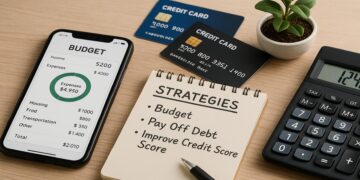
Ultimately, a well-managed credit card account enables access to more competitive financial products, such as lower interest rates and higher borrowing limits, which can significantly impact one’s long-term financial health. For instance, a strong credit score achieved through responsible credit card use may allow individuals to secure a mortgage at a preferential rate, potentially saving them thousands of euros over the life of the loan. Consumers in Ireland must recognize the value of credit cards as a tool for building a strong credit history. Informed and judicious use of credit cards leads to improved financial opportunities, thus setting the foundation for a secure and prosperous financial future. Establishing a clear budget, tracking spending, and ensuring monthly payments are made in full can greatly enhance the benefits derived from credit card use.

Beatriz Johnson is a seasoned financial analyst and writer who is passionate about simplifying the complexities of economics and finance. With over a decade of industry experience, she specializes in topics such as personal finance, investment strategies, and global economic trends. Through her work at True Metronome, Beatriz empowers readers to make informed financial decisions and stay ahead of the curve in an ever-changing economic landscape.