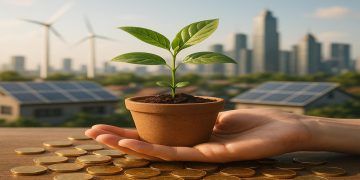
Investing in Sustainability: Saving Money While Reducing Waste
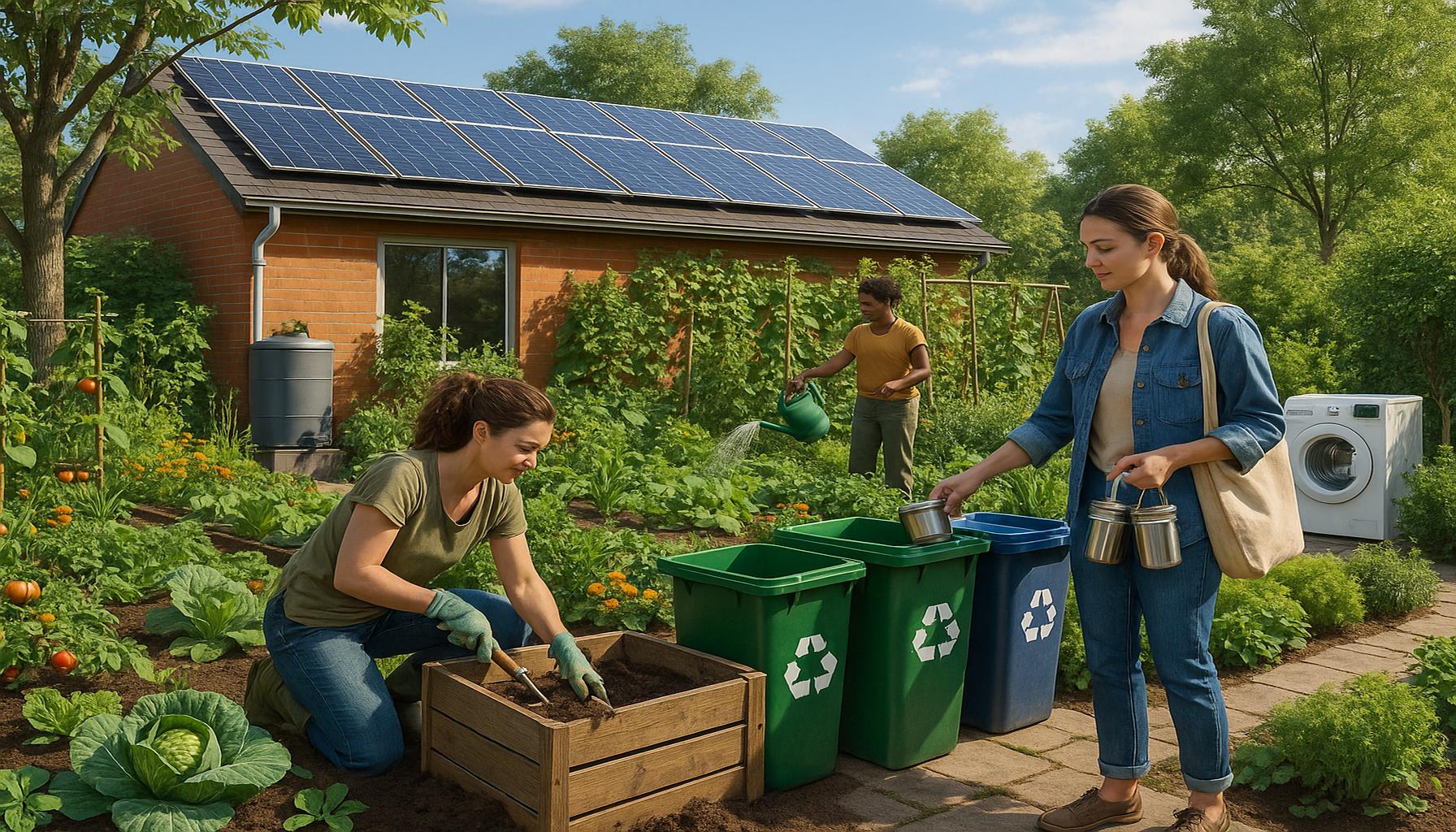
Understanding the Financial Benefits of Sustainable Choices
People often overlook the financial advantages of making sustainable investments. A commitment to sustainability not only contributes to environmental protection but can also lead to significant savings. This article explores how being eco-conscious is a win-win for both the planet and your wallet.
When considering sustainability, it’s essential to recognize several key areas where investments can yield financial benefits:
- Energy Efficiency: Upgrading your home with energy-efficient appliances can lower electricity bills significantly. For instance, replacing an old refrigerator with an Energy Star-rated model can save around $200 per year on energy costs. Moreover, investing in double-glazed windows can reduce heating and cooling expenses by up to 25% to 30%, resulting in an annual savings of up to $500 for some households.
- Water Conservation: Implementing water-saving fixtures, such as low-flow showerheads and dual-flush toilets, can drastically reduce your water bill. According to the Environmental Protection Agency, a household can save approximately 7,000 gallons of water annually by using water-efficient devices, equating to savings of about $70 to $100 on utility costs each year. This not only conserves precious resources but also contributes to lower bills.
- Waste Reduction: Investing in durable products minimizes the need for constant replacements, translating to long-term savings. For instance, opting for a high-quality reusable water bottle instead of buying bottled water can lead to annual savings of around $300, depending on usage. Further, reducing food waste by planning meals can save an average family over $1,500 yearly, according to the USDA.
According to a 2022 report by the U.S. Department of Energy, households can save up to $700 annually merely by switching to energy-efficient devices. Such savings highlight not just the importance of reducing waste but the potential for enhanced financial well-being. Over a decade, the cumulative savings can exceed $7,000, which could be put towards retirement, education, or investment opportunities.
Furthermore, as more consumers opt for sustainable products, companies are responding with cost-effective solutions that cater to this growing demand. For example, the solar power industry has seen a sharp decrease in costs, with the price of solar panels dropping by nearly 80% since 2010. This trend not only makes renewable energy more accessible but can also lead to substantial savings on electricity bills, with many households reporting savings of $1,500 or more per year after installation.
In conclusion, integrating sustainability into your financial decisions is not only a responsible choice for the environment but an economically savvy one as well. With the right choices, your investment in sustainability could lead to increased financial stability over time. By tapping into the financial benefits of energy efficiency, water conservation, and waste reduction, you are investing in both your future and the planet’s health.
DISCOVER MORE: Click here to save on everyday expenses
Evaluating the Cost-Effectiveness of Sustainable Practices
As individuals and businesses alike seek to reduce their environmental impact, the emphasis on sustainability has become more pronounced in recent years. However, many may still question the cost-effectiveness of investing in sustainable practices. By examining various sectors—including transportation, home improvements, and business operations—we can uncover the potential financial benefits that accompany eco-friendly choices.
Transportation: The Benefits of Green Commutes
Transportation is a significant contributor to greenhouse gas emissions, but transitioning to more sustainable options can offer both environmental and financial advantages. For instance, switching from a traditional gasoline-powered vehicle to a hybrid or electric model can lead to substantial savings.
- Fuel Savings: Electric vehicles (EVs) cost roughly 3 to 7 cents per mile to operate, compared to about 10 to 20 cents per mile for gasoline-powered vehicles. This shift can save an average driver over $1,500 annually on fuel costs, depending on driving habits and local fuel prices.
- Tax Incentives: In the United States, purchasing EVs or hybrids may qualify buyers for tax credits up to $7,500, mitigating the higher upfront costs of these vehicles and further incentivizing eco-friendly decisions.
- Lower Maintenance Costs: Electric vehicles generally require less maintenance due to fewer moving parts compared to internal combustion engines. Studies indicate that EV owners may save around $1,000 or more in maintenance and repairs over the life of the vehicle.
Home Improvements: Enhancements That Pay Off
Investing in sustainable home improvements not only reduces energy consumption but can also lead to remarkable cost savings. Beyond energy-efficient appliances, innovative solutions such as solar panel installations are gaining traction and proving to be financially savvy investments.
- Return on Investment (ROI): Solar panels, once considered prohibitively expensive, are now yielding a typical ROI of around 20% or more within just a few years. Homeowners can see monthly electricity savings that contribute to a quick payback period—often recouping the initial investment within five to seven years.
- Increased Property Value: Homes equipped with solar energy systems tend to sell for 4% more than similar homes without such features, according to a study by the National Renewable Energy Laboratory (NREL). This can be an enticing benefit for homeowners considering long-term investments as well as potential future sales.
Business Operations: Sustainable Practices in the Workplace
For businesses, sustainability is not merely a buzzword; it is an opportunity to optimize operations while creating cost savings. By implementing eco-friendly practices, companies can drive down expenses and improve their bottom line.
- Reduced Operational Costs: Streamlining energy consumption through automation can lead to reductions in utility bills. The U.S. Department of Energy estimates that energy-efficient upgrades can save companies about 30% annually on energy costs.
- Waste Reduction: Shifting to digital documentation and minimizing paper use not only protects the environment but can save businesses approximately $80 per employee annually in paper, printing, and storage costs.
In summary, by thoroughly evaluating the financial implications of sustainable choices across various sectors, it becomes evident that the path toward sustainability is paved with tangible economic benefits. Embracing these investments facilitates not just ecological responsibility but also enhances financial well-being, paving the way for a more sustainable future while bolstering bottom lines.
DIVE DEEPER: Click here to explore sustainable investments
Assessing Long-Term Savings Through Energy Efficiency
While immediate financial benefits showcase the appeal of sustainable investments, it’s essential to evaluate their long-term savings as well. Strategic energy efficiency investments are essential not only for reducing energy bills but also for ensuring resilient and cost-effective operations over time. By analyzing the paybacks associated with energy-efficient upgrades in residential, commercial, and industrial settings, we can further underscore the financial logic behind such green initiatives.
Residential Energy Efficiency: Beyond the Initial Costs
Homeowners looking to enhance energy efficiency often hesitate at the initial costs of upgrades. However, considering the longevity and overall savings reveals a much clearer picture. For example, the U.S. Department of Energy states that household energy efficiency improvements can provide an average savings of 10-50% on monthly utility bills. Investing in energy-efficient windows can yield savings up to $500 annually due to reduced heating and cooling costs, while also enhancing comfort and reducing wear on HVAC systems.
- Incentives and Rebates: Many local and state programs offer energy efficiency rebates that can cover a portion of the investment in energy-saving upgrades. For example, homeowners may find rebates of up to 50% off certain high-efficiency HVAC systems, further mitigating upfront costs and encouraging modern installations.
- Energy Star Appliances: Family budgets can benefit significantly from utilizing Energy Star-rated appliances. While these products may come at a higher cost, they can save an average household about $575 annually on energy bills over their lifespan.
Commercial Buildings: Recognizing the Value of Green Certifications
For businesses, the pursuit of sustainability is not solely an environmental consideration. Many enterprise-level companies are exploring green certifications such as LEED (Leadership in Energy and Environmental Design) to both enhance their marketability and achieve financial savings.
- Operational Efficiency: Buildings certified under LEED guidelines typically reflect energy efficiency improvements that can provide a savings of 30% on electricity and 35% on water consumption, significantly reducing operational costs.
- Attracting Tenants: Properties with sustainability certifications are often more attractive to tenants. According to a report by the U.S. Green Building Council, green buildings command higher rents and boast lower vacancy rates—averaging around 5% lower than their conventional counterparts. This creates a dual advantage for property owners who can capture greater income while incurring lower operational costs.
Industry Insights: Sustainable Supply Chain Management
Businesses can also benefit from adopting sustainable practices within their supply chains. Implementing responsible sourcing and waste reduction methods result in decreased costs over time.
- Streamlined Logistics: By reducing packaging waste and optimizing shipping methods, a company can minimize transportation costs. Reports indicate that companies that adopt greener logistics can save upwards of 15% on freight costs.
- Long-term Supplier Relationships: Businesses focused on sustainability often form stronger partnerships with suppliers promoting eco-friendly practices, leading to favorable pricing agreements and more reliable supply chains, enhancing predictability and stability in costs.
Overall, the emphasis on sustainable investments extends beyond the immediate financial implications, paving the way for long-term savings and resilience in increasingly competitive markets. By incorporating methods for energy efficiency, sustainable building practices, and responsible supply chains, stakeholders are strategically positioning themselves for enduring success while treading lightly on the planet.
DISCOVER MORE: Click here to learn how to pay off your student loans faster
Concluding Thoughts on Sustainable Investments
Investing in sustainability offers a comprehensive pathway towards enhancing financial stability while simultaneously addressing environmental concerns. The analysis presented illustrates that both residential and commercial sectors stand to gain significantly from energy-efficient upgrades, green certifications, and sustainable supply chain practices. The potential for long-term savings remains compelling; homeowners can achieve utility savings of 10-50% through energy efficiency improvements, while businesses can cut operational costs by 30% on electricity and 35% on water with LEED-certified buildings.
Furthermore, as consumer demand increasingly favors eco-friendly products and practices, enterprises adopting sustainable methods position themselves not just as responsible operators but also as competitive market players. The possibility of incentives and rebates further mitigates initial investment concerns, allowing stakeholders to reap the benefits of their eco-conscious decisions sooner rather than later. Ultimately, the demonstrated data clearly aligns with the understanding that sustainable investments are not merely ethical choices but savvy financial strategies.
In a world where resource scarcity and climate change loom large, the efficiency and cost-cutting aspects of sustainability underscore a nuanced understanding of modern investing. As we strive to balance economic prosperity with ecological stewardship, the choices made today can yield dividends for both the wallet and the planet, creating a lasting impact on future generations.

Linda Carter is a writer and financial consultant specializing in personal finance and money management. With years of experience helping individuals and families achieve financial stability and make informed decisions, Linda shares her expertise on the True Metronome platform. Her goal is to empower readers with practical advice and strategies to take control of their finances and build a secure future.