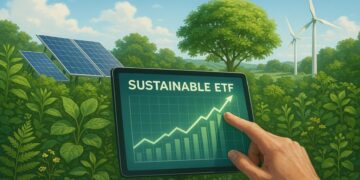
Investing in Sustainable Assets: Paths to Financial Freedom with Social Responsibility

The Shift Towards Values-Driven Investments
In a rapidly changing environment, more investors are beginning to recognize the significance of marrying their financial pursuits with their personal values. This phenomenon, known as sustainable investing, empowers individuals to seek financial freedom while simultaneously making a positive mark on society and the environment. As awareness grows, sustainable investing has evolved from being a niche market to becoming a mainstream practice.
Understanding Sustainable Assets
To grasp the importance of sustainable investing, it’s vital to understand what constitutes sustainable assets. These investments are primarily focused on companies and initiatives that strive to uphold specific ethical standards and social responsibilities. Here are three core pillars:
- Environmental protection – This pillar emphasizes the importance of supporting initiatives that promote renewable energy sources, such as solar and wind power, reducing plastic waste through innovative recycling technologies, and conserving vital natural resources like water and forests. For example, an investor might choose stocks in a company that focuses on solar panel production, which contributes to a significant reduction in greenhouse gas emissions.
- Social equity – This aspect of sustainable investing is about championing fair labor practices and investing in businesses that prioritize the welfare of their employees and communities. Companies with strong social policies might include those that support fair wages and create programs for workforce development, such as training initiatives for underprivileged groups.
- Corporate governance – Good governance involves engaging with companies that operate transparently and ethically. Investors looking at corporate governance will pay attention to how companies disclose their decision-making processes and engage with stakeholders. For instance, a company that is committed to diversity on its board of directors may be viewed favorably by investors concerned about ethical practices.
Financial Performance and Sustainability
The belief that sustainable investments may compromise financial returns is gradually dissipating. Many studies suggest that these investments can often yield impressive returns similar to, or even better than, traditional investments. Here are a few reasons why:
- Long-term growth – Companies that emphasize sustainability frequently display financial resilience. They are often better equipped to navigate market changes and disruptions due to their adaptable nature. For example, firms that invest in sustainable practices may reduce their operational costs over time, leading to improved margins.
- Consumer demand – An increasing number of consumers in the United States actively seek out sustainable brands. This consumer shift drives demand, subsequently enhancing the financial performance of these companies. For instance, brands that are environmentally friendly or socially conscious can build stronger customer loyalty, leading to repeat business.
- Regulatory support – As governments across the United States implement policies favoring green initiatives, companies focusing on sustainability may benefit from potential tax incentives and grants. This regulatory support can significantly improve their bottom lines and attract additional investors.
Finding Your Fit in Sustainable Investing
Navigating the landscape of sustainable investing offers myriad opportunities that resonate with both your financial objectives and ethical principles. Whether you are a seasoned investor or new to the market, this guide will help you uncover practical methods to incorporate sustainable assets into your investment strategy. Focusing on your priorities and values will not only contribute to a more sustainable future but can also set you on a rewarding financial path. Embracing sustainable investing is about making choices today that will benefit generations to come.
DISCOVER MORE: Click here for tips on saving without sacrificing comfort
Exploring Investment Options in Sustainable Assets
As you embark on your journey to invest in sustainable assets, it’s essential to explore the various investment options available and understand how they align with your financial goals and values. The world of sustainable investing has expanded significantly, offering a variety of approaches to choose from. In this section, we will examine three primary investment options that can lead you down the path to both financial freedom and social responsibility.
1. Individual Stocks and Bonds
Investing in individual stocks and bonds of companies focused on sustainability can be a great starting point. This approach allows you to have a direct influence on the companies you support. When selecting stocks, consider businesses actively engaged in sustainable practices, such as renewable energy companies or those prioritizing environmental stewardship. Similarly, green bonds—debt securities issued to fund projects that improve environmental outcomes—can provide a steady income with a reduced ecological footprint. This form of investment not only aligns with your values but also positions you to benefit from strong financial returns in industries with growing demand.
2. Exchange-Traded Funds (ETFs) and Mutual Funds
If you prefer a more diversified approach, consider investing in exchange-traded funds (ETFs) or mutual funds that focus on sustainable assets. These funds pool money from multiple investors to purchase a diversified portfolio of stocks or bonds centered around sustainability. Investing in an ESG (Environmental, Social, and Governance) fund, for instance, enables you to support a broad range of companies committed to responsible practices while significantly reducing your investment risk. Many reputable fund managers have developed ETFs and mutual funds specifically designed to target sectors like clean energy, sustainable agriculture, and technology innovations aimed at reducing environmental impacts. This option allows investors to achieve an extensive diversification while investing according to their ethical preferences.
3. Real Estate and Impact Investing
Another avenue towards sustainable investing is through real estate and impact investments. Consider investing in properties that adhere to green building standards, such as LEED (Leadership in Energy and Environmental Design) certification. These properties often feature energy-efficient designs and materials, which not only reduce environmental impact but also lower utility costs, making them financially attractive. On the other hand, impact investing involves supporting businesses or projects that aim to generate measurable social or environmental benefits alongside a financial return. This might include funding initiatives for affordable housing, renewable energy projects, or social enterprises that address community needs.
By exploring these investment options, you can find a suitable path that intersects your financial aspirations with your passion for sustainability. Remember, every investment choice you make can contribute to both your portfolio and a better planet. As the landscape of sustainable investing continues to evolve, staying informed about the options available will empower you to make educated decisions that align with your values and vision for the future.
DON’T MISS: Click here for essential tips to avoid rookie mistakes
Understanding the Long-term Benefits of Sustainable Investing
As we delve deeper into the realm of sustainable investing, it’s important to understand the long-term benefits these strategies provide—not just for your financial portfolio, but also for society and the environment. Here, we will explore the advantages of sustainable investing in terms of risk management, financial performance, and societal impact.
1. Risk Management and Resilience
One of the key advantages of investing in sustainable assets is enhanced risk management. Companies that prioritize sustainability tend to be more resilient, as they often anticipate environmental regulations and adapt to shifting consumer preferences. For instance, firms investing in renewable energy are less susceptible to fluctuations in fossil fuel markets. According to a report by MSCI, companies with strong ESG practices typically exhibit lower volatility and are better positioned to weather economic downturns. By incorporating sustainability into your investment strategy, you may mitigate risks associated with traditional sectors vulnerable to environmental shifts, thus than creating a more stable financial future.
2. Financial Performance and Growth Potential
Contrary to the outdated notion that ethical investing sacrifices financial returns, numerous studies have shown that sustainable investments can perform equally well, if not better, than traditional assets. A study by the Morgan Stanley Institute for Sustainable Investing revealed that sustainable equity funds outperformed their traditional counterparts in terms of returns over a five-year span. Additionally, as global demand for clean energy and sustainable products rises, companies operating in these sectors may benefit from increased market opportunities. Investing in sustainable assets allows you to tap into growing industries that not only align with your values but also offer the potential for solid financial returns.
3. Driving Positive Societal Change
One of the most compelling reasons for investing in sustainable assets is the opportunity to drive meaningful change. When you invest in businesses actively engaged in solving challenges like climate change or social inequality, you contribute to solutions that extend beyond financial profits. For example, by choosing to invest in community development financial institutions (CDFIs), you are providing critical funding for small businesses in underserved communities, helping create jobs and stimulate local economies. This kind of impact investing not only supports your financial objectives but also fosters better living conditions for many, aligning your investment goals with a commitment to social justice.
4. Engaging with Companies: Shareholder Activism
Investing in sustainable assets also opens the door to active engagement with companies as a shareholder. By owning shares, you can influence corporate behavior through proxy voting and shareholder proposals, advocating for sustainable practices and transparency. For instance, investors have successfully pushed major corporations to adopt goals for reducing greenhouse gas emissions or enhancing labor practices. This form of shareholder activism amplifies your voice and the collective effort to ensure that companies prioritize sustainability as a core part of their operations.
In summary, the long-term benefits of investing in sustainable assets are clear. By focusing on risk management, aligning your portfolio with growth potential, driving positive change in society, and engaging as an active shareholder, you can take confident strides toward achieving both financial freedom and social responsibility. The financial market is evolving, and your investment choices can lead to a more sustainable future while securing your financial well-being.
DISCOVER MORE: Click here to learn about the benefits of dollar-cost averaging
Conclusion: A Brighter Future Through Sustainable Investing
In conclusion, investing in sustainable assets not only paves the way for financial freedom, but also creates a positive impact on society and the environment. By embracing sustainable investment strategies, you align your portfolio with companies that are resilient and better equipped to manage risks associated with a rapidly changing world. Moreover, as evidence increasingly shows, these companies can offer competitive financial returns while addressing pressing issues like climate change and social inequality.
As you explore opportunities in sustainable investing, consider the vital role of your decisions in shaping a future that prioritizes social responsibility. Your financial choices can drive significant change, whether it’s through supporting renewable energy initiatives or engaging with companies as an active shareholder. The growing movement toward the integration of environmental, social, and governance (ESG) factors reflects an awakening awareness among investors that profit and purpose can coexist.
Ultimately, sustainable investing is not merely a trend; it is a pathway to achieving your financial goals while contributing to a healthier planet and a more equitable society. By choosing to invest in sustainable assets, you take a meaningful stand that propels you towards both personal success and collective progress, proving that the pursuit of wealth and a better world can indeed go hand in hand.

Linda Carter is a writer and financial consultant specializing in personal finance and money management. With years of experience helping individuals and families achieve financial stability and make informed decisions, Linda shares her expertise on the True Metronome platform. Her goal is to empower readers with practical advice and strategies to take control of their finances and build a secure future.