The Impact of Creating a Monthly Budget on Debt Settlement

Understanding the Role of a Monthly Budget
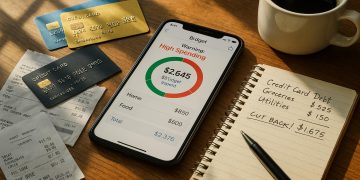
Creating a monthly budget is more than just a helpful tool—it’s a roadmap to achieving financial stability. For many individuals, it serves as the foundation for managing finances effectively, especially when tackling debt. By taking the time to outline income and expenditures, you can uncover opportunities for improvement in your financial situation.
Consider the following benefits of having a monthly budget:
- Clarifies Financial Goals: Establishing specific spending limits not only helps in prioritizing needs over wants, but it also fosters a sense of control over your finances. For example, if you set a monthly limit for entertainment expenses, you may find that you can still enjoy outings with friends while sticking to your overall budget.
- Identifies Areas to Cut: A budget reveals unnecessary expenditures that can be reduced or eliminated. For instance, you might discover that daily coffee shop visits add up significantly over a month. By brewing coffee at home instead, you not only save money but can reallocate those funds toward savings or paying down debt.
- Enhances Awareness: Keeping track of where money is going fosters a more conscious approach to spending. By regularly reviewing your budget, you may notice patterns of overspending in certain categories such as dining out or subscriptions, which could be adjusted for better financial health.
Implementing a budget can greatly influence your debt settlement strategies. It allows for:
- Consistent Payments: A budget ensures that you can make regular payments towards debts, which is crucial for reducing the overall cost due to interest. For example, by setting aside a specific amount each month for student loans or credit card payments, you can avoid late fees and penalties.
- Emergency Preparedness: Setting aside funds for unexpected expenses is essential to avoid incurring new debt. Building an emergency fund within your budget can provide a safety net for situations such as car repairs or medical bills, eliminating the need to rely on credit cards.
- Long-term Planning: A budget helps in creating a sustainable path to financial freedom and reduced stress. By setting aside money for retirement or major future expenses—like buying a home or financing a child’s education—you ensure that you are not only addressing current financial obligations but also preparing for long-term goals.
In essence, a monthly budget can dramatically transform your financial landscape. By clearly mapping out your income and expenses, you will be better equipped to manage debts and work towards a brighter financial future. Remember, budgeting is not about restriction; it’s about making informed choices that align your spending with your values and goals.
DISCOVER: Click here to learn how credit cards can impact your financial freedom
How Monthly Budgets Facilitate Debt Management
When you create a monthly budget, you establish a systematic approach to managing your finances, which plays a crucial role in debt settlement. This structured financial discipline enables you to allocate your resources wisely, prioritize payments, and gain a clearer understanding of your overall financial health.
One of the most significant advantages of maintaining a monthly budget is the ability to make informed financial decisions. When you know exactly how much income you have and where your money is going, you can make adjustments to prioritize paying down debts. This can help you avoid the pitfalls of impulsive spending that often lead to further debt accumulation. Here are some key ways a monthly budget affects debt management:
- Prioritization of Debt Payments: A budget allows you to categorize your debts and prioritize payments based on interest rates and due dates. For instance, if you have credit card debt with a high interest rate, your budget may allocate more funds to pay it off quickly. This strategy helps in minimizing the amount of interest paid over time.
- Encouraging Consistency: With a monthly budget, you can set up automated payments for bills and debts, ensuring that you pay on time and avoid late fees. Consider the positive impact of having a consistent plan in place, such as setting aside a specific percentage of your income every month for debt repayment.
- Motivating Progress: A practical budget gives you the ability to track your progress in real-time. By marking milestones—like paying off a specific debt or reducing the total amount owed—you can celebrate those small victories that motivate you to stay on track.
Additionally, budgets can help identify ways to increase your cash flow, leading to higher payments toward debts. Examine your expenses critically. You may find opportunities for cutting costs, which can redirect those savings toward paying off debts. For example, you might reevaluate subscription services or dining habits to uncover extra funds that can be put to better use.
Ultimately, a solid monthly budget lays the groundwork for effective debt settlement strategies. It moves you from a reactive mindset to a proactive one, thereby empowering you to take control of your financial situation. This sense of control can alleviate stress and provide a clear pathway to financial freedom. By committing to a budget, you are already making a significant step toward conquering your debt and achieving your financial goals.
DISCOVER MORE: Click here to learn how to pay off your debt faster
Building Financial Awareness Through Budgeting
Creating a monthly budget not only enhances your ability to manage your debts but also fosters a deeper sense of financial awareness. By regularly monitoring your income and expenses, you develop a keen understanding of your financial habits. This heightened awareness can be transformative, helping you identify spending patterns that may prioritize short-term satisfaction over long-term stability.
For example, think about the times you’ve stopped for a latte on the way to work every morning. While one cup may feel like a minor expense, over a month, those daily purchases can accumulate to a significant amount. By incorporating such expenditures into your budget, you can decide whether these costs align with your financial priorities. Redirecting these funds toward debt repayment could make a noticeable difference, especially when applied to high-interest debts.
Moreover, budgeting helps in recognizing triggers and patterns that lead to overspending. Many people face impulse purchases driven by emotional or situational factors, such as stress or social pressures. By developing a conscious budget, you can identify these triggers and create strategies to mitigate them. For instance, if you notice that you resort to shopping when you feel stressed, you might budget for alternative activities that provide comfort without harming your financial goals, like exercising or engaging in a hobby.
Establishing an Emergency Fund
Another vital benefit of budgeting is the ability to establish and grow an emergency fund. This fund serves as a financial safety net, which can prevent you from relying on credit cards or loans during unexpected situations, such as a medical emergency or car repair. By allocating a portion of your income to this fund each month, you can avoid creating fresh debt, allowing you to focus on settling existing debts without the burden of additional financial strain.
Consider this: if your car breaks down and you have a credit card, it might be tempting to use it to cover repair costs. However, if you have an emergency fund, you’ll have the cash available to pay for repairs directly. This not only keeps your debts from increasing but also ensures that you remain on track with your budget and debt repayment plan.
Changing Your Mindset About Money
Perhaps one of the most profound impacts of maintaining a monthly budget is the shift it creates in your money mindset. Regularly assessing your financial situation encourages a more responsible approach toward spending and saving. It cultivates a sense of accountability, prompting you to consider each financial decision critically. This transition from a reactive to a proactive financial approach can lead to long-term stability and security.
For example, individuals who regularly stick to their budget often report feeling more in control of their finances. This empowerment serves to reinforce good financial habits, making it less likely for them to accumulate new debt. As you celebrate your achievements within your budget—like paying off that first credit card—you may find that your confidence grows, leading you to tackle other financial challenges with greater determination.
In summary, creating a monthly budget not only aids in debt management but also fosters greater financial literacy and mindset shifts, laying the foundation for a more secure financial future. By embracing budgeting as a tool for empowerment, you’re taking essential steps toward overcoming your debts and achieving peace of mind. Just remember, every small change counts, and diligent budgeting can lead to significant financial transformation.
DON’T MISS OUT: Click here to discover the opportunities and risks of investing in cryptocurrencies
Conclusion
Creating a monthly budget is a powerful step towards effective debt settlement and establishing lasting financial health. Throughout this discussion, we have highlighted how a well-structured budget not only aids in tracking expenses but also enhances your financial awareness and accountability. When you begin to systematically plan your finances, you gain insight into your spending habits and the changes that can lead to impactful savings.
Moreover, recognizing and addressing overspending tendencies enables you to identify triggers that may lead you astray from your financial goals. This self-awareness plays a crucial role in shifting your money mindset—transforming you from a passive spender to a proactive decision-maker. By putting aside funds for an emergency fund, you create a buffer against unforeseen situations that would otherwise lead to increased debt, ensuring that you remain focused on your repayment strategies.
Embracing the discipline of budgeting builds resilience in your financial life. As you achieve milestones, such as paying off debts, your confidence grows, inspiring you to tackle other financial challenges with tenacity. Ultimately, a monthly budget is not just a tool for managing your current debts; it is a vital framework for cultivating a future marked by financial freedom, stability, and peace of mind. Start your budgeting journey today, and take control of your financial destiny—every step counts toward a brighter, debt-free future.

Linda Carter is a writer and financial consultant specializing in personal finance and money management. With years of experience helping individuals and families achieve financial stability and make informed decisions, Linda shares her expertise on the True Metronome platform. Her goal is to empower readers with practical advice and strategies to take control of their finances and build a secure future.