The Importance of Controlling Credit Card Spending to Avoid Debt
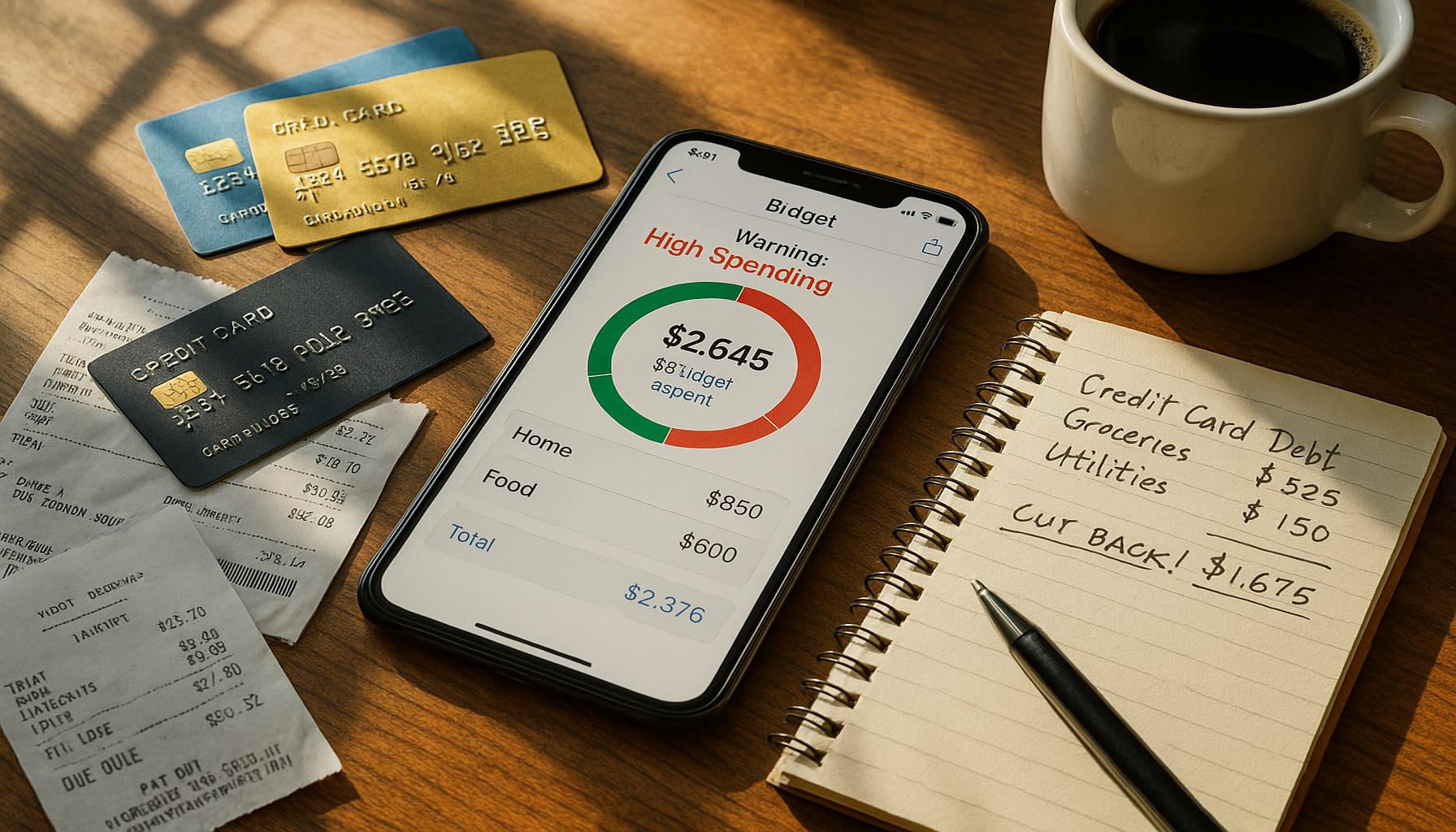
Understanding the Dynamics of Credit Card Spending
In today’s fast-paced financial landscape, credit cards are ubiquitous and serve as a crucial financial tool for millions of Americans. While they provide consumers with the flexibility to make purchases and earn rewards, the lack of proper management can lead to significant financial pitfalls. It’s crucial to delve deeper into the main factors that shape credit card spending habits and their broader implications on personal finances.
Interest Rates and Their Impact
Interest rates play a pivotal role in the overall cost of using credit cards. The average interest rate in the United States hovers around 16%, but this figure can fluctuate widely between different providers and credit card terms. It is not uncommon to encounter rates as high as 25% or more for individuals with lower credit scores. This variance can significantly affect the total amount paid on any outstanding balance.
For example, if an individual carries a balance of $5,000 on a credit card with a 16% interest rate and only makes the minimum payment, they will end up paying nearly $1,200 in interest over a mere three years, effectively almost doubling their original debt. Understanding how interest compounds is vital; the earlier one pays off the balance, the less interest accumulates, leading to better financial health.
Understanding Impulse Buying
Spending habits are often influenced by psychological triggers. Impulse buying is not just a fleeting action; it can develop into a chronic financial issue if not addressed. A recent survey revealed that 55% of credit cardholders admitted to making impulsive purchases that they later regretted. Identifying triggers—such as shopping when stressed or seeking instant gratification—can help individuals implement strategies to curb unnecessary spending.
One effective method to combat impulse buying is to implement a waiting period before making a non-essential purchase. For instance, giving oneself 24 hours to reconsider can lead to better spending choices and significantly reduce unnecessary expenses.
The Role of Credit Utilization
Another critical factor affecting credit card management is credit utilization. This ratio, which compares the amount of credit used to the total credit available, should ideally remain below 30%. Exceeding this threshold can harm an individual’s credit score. For example, if someone has a credit limit of $10,000 and carries a balance of $4,000, their credit utilization ratio stands at 40%, which may lower their score, thus impacting future borrowing capabilities.
The Wider Implications of Credit Card Debt
According to recent statistics, approximately 60% of Americans are grappling with credit card debt. This statistic underscores the urgent need for individuals to cultivate disciplined spending habits. Failure to manage credit effectively can lead to a cycle of debt, resulting in financial stress and limited access to favorable loan rates in the future.
To counter these challenges, establishing a comprehensive budget and diligently tracking expenses are essential steps. Utilizing financial management tools or apps can assist in identifying and curbing overspending behaviors while offering insights into spending patterns. By fostering a deeper understanding of credit card usage and its associated risks, consumers can empower themselves to navigate the complexities of financial management successfully.
DISCOVER MORE: Click here to find out how to pay off your student loans faster
The Dangers of Uncontrolled Credit Card Spending
Understanding the potential pitfalls of uncontrolled credit card spending is essential for maintaining financial stability. Many consumers underestimate how quickly debt can accumulate, often leading to an overwhelming financial burden. When individuals fail to monitor their spending closely, they are at risk of exceeding their means, especially as credit cards provide the allure of flexibility with minimal immediate repercussions.
The Psychological Impact of Debt
Credit card debt can create a vicious cycle that affects not only financial standing but also mental well-being. Research indicates that nearly 75% of individuals who carry credit card debt report experiencing anxiety and stress connected to their financial situation. This pressure can lead to further irresponsible spending as individuals may use shopping as a coping mechanism. Understanding this cycle is crucial; by acknowledging the link between emotional states and spending habits, individuals can implement strategies to address both their psychological triggers and their financial behaviors.
Establishing a Realistic Budget
A well-structured budget is an essential tool for controlling credit card spending. Creating a detailed plan involves several key steps:
- Track Income and Expenses: Knowing how much money is coming in and where it is going allows for informed decisions about spending.
- Differentiate Between Needs and Wants: Establishing priorities for essential expenses versus discretionary spending helps to manage finances more effectively.
- Set a Credit Cap: Limiting credit card use to a fixed amount each month can prevent overspending and ensure that expenditures align with the budget.
- Review and Adjust Regularly: Periodically reassessing the budget allows for necessary adjustments and fosters awareness of changing financial circumstances.
By adopting these practices, consumers can gain control over their financial destiny, minimizing the chances of falling into a debt spiral. Furthermore, conscientious budgeting can illuminate areas where unnecessary expenses can be cut, allowing for more financial freedom in the long run.
The Consequences of Minimum Payments
Merely making the minimum payment on a credit card can lead to a dangerous cycle of debt. While it may seem manageable to pay only a little each month, this strategy can result in extended repayment periods and increased interest costs. For example, if a consumer has a balance of $3,000 at a 20% interest rate and only makes the minimum payment of $60 monthly, it could take over seven years to fully repay that debt—even longer if new charges are incurred during that time.
Recognizing the fallacy of relying on minimum payments is crucial. When individuals understand the long-term ramifications of paying only the minimum, they can re-evaluate their payment strategies. Aiming to pay more than the minimum not only reduces interest costs but also accelerates the journey to becoming debt-free.
The Benefits of Financial Discipline
By exercising discipline in credit card spending, individuals can avoid falling into the debt abyss. Key benefits include:
- Improved Credit Score: On-time payments decrease credit utilization rates and enhance overall credit health.
- Reduced Financial Stress: Having control over spending minimizes anxiety and fosters a sense of achievement.
- Increased Savings Potential: Controlled spending allows for more savings, paving the way for future investments or emergencies.
Ultimately, the path to financial stability and independence is paved with carefully managed credit. By understanding the dynamics of credit card use and committing to disciplined spending habits, individuals can enjoy the benefits of their financial tools without the burdens of excessive debt.
DON’T MISS OUT: Click here to uncover the keys to consistent investing
Strategies to Manage and Control Credit Card Spending
Effectively managing credit card spending requires a proactive approach that integrates various strategies to foster responsible usage. By using the right tools and techniques, consumers can ensure their credit cards enhance their financial well-being rather than becoming a source of distress.
Automating Payments for Consistency
One of the most effective strategies to control credit card spending is to set up automated payments. This can help ensure that minimum payments are made on time, thereby preventing late fees and additional interest charges. For instance, if a consumer has a credit card with a $1,000 balance and an interest rate of 18%, a late payment can result in fees adding up to $35 or more, along with an increased interest rate. By automating payments, an individual safeguards not only their credit score but also maintains better control over their overall budget.
Utilizing Alerts and Notifications
Another useful tool in curbing overspending is the use of alerts and notifications. Many credit card providers offer real-time notifications that can be set up to inform cardholders of purchases above a certain threshold or to remind them of upcoming payments. For example, if someone sets an alert for purchases exceeding $100, it can act as a behavioral nudge to reconsider unplanned expenses. This proactive method keeps spending habits in check and fosters a greater awareness of where money is being allocated.
The Role of Rewards Programs
Consumers often view credit cards primarily as a mechanism for purchases, but they can also be a conduit for earning rewards. However, it is essential to choose reward programs that align with spending habits to avoid falling into the trap of unnecessary purchases. Research shows that only 30% of consumers fully utilize their credit card rewards to maximize value, mainly due to overspending on products that don’t align with their needs. For example, a cash-back card may motivate some users to spend more than planned simply to chase rewards, negating any financial benefits. Approach rewards with caution and prioritize spending that fits within a sound budgetary framework.
Engaging in Financial Literacy Programs
Educational resources can play a vital role in equipping individuals with the knowledge they need to manage credit wisely. Many institutions, including banks and non-profit organizations, offer financial literacy programs that cover various aspects of personal finance, including credit card management. Studies indicate that consumers who participate in financial education are significantly more likely to adopt prudent financial behaviors. These programs can illuminate common pitfalls, strategies for reducing debt, and the importance of maintaining good credit to secure better interest terms in the future.
Considering Credit Card Alternatives
For those who struggle with credit card management, exploring alternative payment methods may be beneficial. Options such as debit cards or pre-loaded spending cards can help individuals control their spending by limiting access to only the funds available in their account. This change fosters better budgeting habits by encouraging consumers to track their expenditures against existing cash, as opposed to relying on borrowed funds. A recent survey revealed that 40% of individuals who transitioned to debit-based spending reported maintaining a more balanced budget, highlighting how alternatives to credit cards can serve as effective tools for financial discipline.
By implementing these strategies, individuals can not only establish better control over their credit card spending but also cultivate a more resilient financial mindset, ultimately leading to sustainable financial health. Addressing credit card use with an informed, proactive approach sets the stage for long-term success and independence from the stress of debt burden.
DIVE DEEPER: Click here to learn more
Conclusion
In conclusion, controlling credit card spending is not merely a matter of personal discipline; it is an essential strategy that underpins financial stability and success. With the potential for credit cards to facilitate overspending and incur high-interest debt, consumers must adopt a multifaceted approach to safeguard their financial health. The strategies outlined—including automating payments, utilizing alerts and notifications, strategically engaging with rewards programs, participating in financial literacy programs, and exploring payment alternatives—serve as pivotal tools in fostering responsible credit use.
Furthermore, the implications of effective credit management can extend beyond immediate savings, potentially impacting one’s credit score and future borrowing power. Maintaining a strong credit history allows individuals access to lower interest rates on loans and mortgages, ultimately saving considerable sums over time. According to credit experts, a single percentage point reduction in the interest rate can lead to thousands in savings over the lifespan of a loan.
As the landscape of consumer finance continues to evolve, the ability to manage credit responsibly becomes increasingly critical. By prioritizing education, self-awareness, and strategic financial practices, individuals empower themselves to create a resilient financial future. Therefore, embracing credit card management techniques is not just about averting debt but cultivating a profound understanding of personal finance that leads to greater confidence and security in one’s financial journey.

Linda Carter is a writer and financial consultant specializing in personal finance and money management. With years of experience helping individuals and families achieve financial stability and make informed decisions, Linda shares her expertise on the True Metronome platform. Her goal is to empower readers with practical advice and strategies to take control of their finances and build a secure future.