The Importance of Liquidity: Comparing Stocks, ETFs, and Mutual Funds in Volatile Markets
Understanding Liquidity in Investment Vehicles
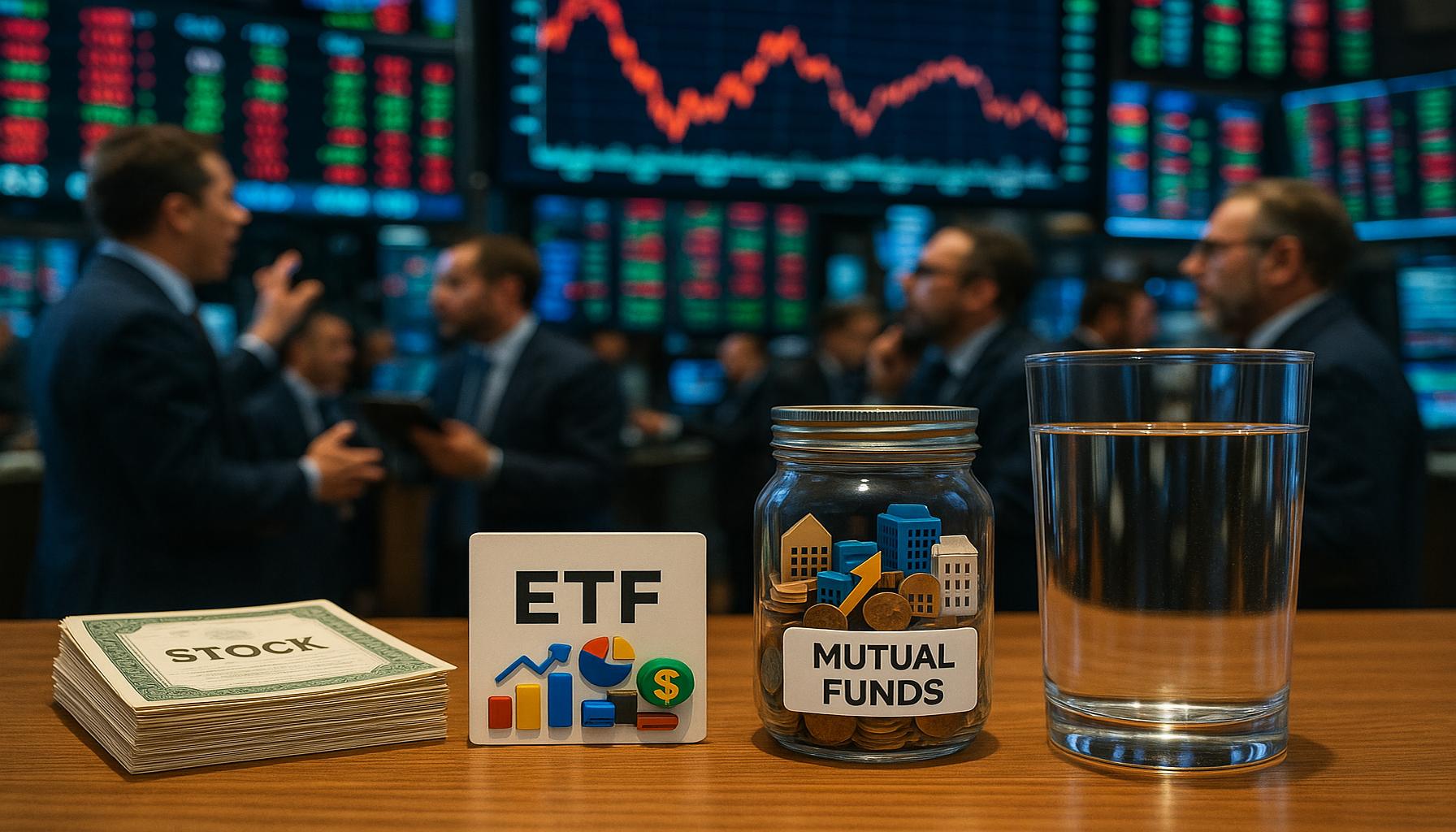
In an unpredictable financial environment, maintaining liquidity is paramount for investors aiming to protect their assets and adapt to changing market conditions. To make well-informed decisions, investors must thoroughly grasp the liquidity characteristics of various investment types. Stocks, Exchange-Traded Funds (ETFs), and mutual funds each present unique liquidity profiles that can profoundly influence an investor’s ability to respond to market turmoil.
- Stocks: These are recognized for their high liquidity, meaning investors can quickly buy or sell shares at market prices. For instance, during a market crash, a savvy investor can offload shares of a Fortune 500 company within seconds to avoid greater losses. The presence of numerous buyers and sellers on stock exchanges contributes to this rapid trading capability. Data from the New York Stock Exchange indicates that many stocks, especially those with high trading volumes, can have liquidity ratios exceeding 10, enabling swift transactions.
- ETFs: Like stocks, ETFs are traded throughout the day, making them another highly liquid investment option. They comprise a diversified mix of assets, which helps dilute the risk of illiquidity associated with individual stocks. For example, a popular ETF such as the SPDR S&P 500 ETF Trust allows investors to gain exposure to the broader market while enjoying the same liquidity benefits as individual stocks. Furthermore, ETFs can be created or redeemed in large blocks, which enhances their liquidity further, especially in turbulent times.
- Mutual Funds: In contrast, mutual funds typically exhibit lower liquidity due to the structure of their transactions. Investors can only buy or sell shares at the end of the trading day, based on the fund’s net asset value (NAV). This can pose a significant disadvantage during volatile market periods, as investors may miss out on critical fluctuations. For instance, during the 2020 pandemic-induced market sell-off, many mutual fund investors found themselves unable to exit positions rapidly as markets were plummeting. This delay can be a liquidity risk that results in potential losses for investors who need immediate access to cash.
Understanding these distinctions is vital for constructing a balanced and strategically sound investment portfolio. Not only does liquidity affect the acquisition and liquidation of assets, but it also influences risk management strategies. In high-stress market situations, having a portion of the portfolio in liquid assets like stocks or ETFs can prevent forced selling of less liquid assets and enable investors to capitalize on new opportunities as they arise. Thus, a well-rounded investment strategy should consider the liquidity needs of the investor relative to their financial objectives.
In summary, grasping the liquidity profiles of various investment vehicles is essential. By evaluating the strengths and weaknesses of stocks, ETFs, and mutual funds, investors can better navigate financial turbulence and enhance their overall investment outcomes.
LEARN MORE: Click here to discover the pros and cons of investing in ETFs
Liquidity in Stocks: Our First Investment Option
Stocks have long been viewed as a cornerstone of individual investment portfolios, primarily due to their high liquidity characteristics. When investors need to convert their stock holdings into cash quickly, they benefit from the ability to transact nearly instantaneously on the stock market. This agility is especially advantageous in volatile markets. For example, during rapid market fluctuations or economic downturns, the ease of buying or selling stocks becomes crucial. An investor holding shares of a well-traded stock can react to shifts in market sentiment and execute trades within seconds.
To illustrate, consider a scenario where significant geopolitical tensions arise. An investor holding shares of a prominent tech company could sell their position at market price to mitigate losses associated with falling stock values. The depth of the market coupled with high trading volumes allows for such rapid transactions, raising the average liquidity ratio significantly for these stocks. The advantages are clear: the higher the liquidity, the less an investor has to worry about timing their exit from the market in a crunch.
Liquidity in ETFs: A Flexible Alternative
Exchange-Traded Funds (ETFs) serve as another vital investment vehicle that offers high liquidity, similar to stocks. However, ETFs bring an additional layer of diversification, as they typically consist of various underlying assets—a beneficial feature in times of market volatility. Investors can purchase and sell ETF shares throughout the trading day, allowing for significant flexibility in responding to market movements.
- Diversification: By owning an ETF, investors gain exposure to a basket of stocks or bonds, diluting risk associated with any single asset.
- Creation and Redemption Mechanism: This unique feature allows institutional investors to create or redeem shares in large blocks, which helps maintain the ETF’s market price close to its net asset value (NAV).
- Market Response: In turbulent markets, investors are often able to react faster with ETFs than with mutual funds, thus enhancing overall liquidity capabilities.
For example, consider the SPDR S&P 500 ETF Trust (SPY). During heightened market volatility, it allows investors to quickly adjust their exposure to the broader market without having to identify and trade individual stocks. The liquidity profile of ETFs not only facilitates quick responses to market movements but also offers potential cost advantages in brokerage fees associated with trading, often lessening the financial impact of those rapid transactions.
The Illiquidity of Mutual Funds: A Cautionary Tale
In stark contrast to stocks and ETFs, mutual funds present considerable liquidity challenges. Unlike publicly traded funds, mutual fund shares can only be bought or sold at the end of trading days based on their NAV. This limitation can pose a substantial risk during periods of market volatility. If an investor seeks to liquidate their mutual fund shares to capitalize on a market dip but must wait until the end of the trading day, they risk missing essential price movements.
The 2020 market sell-off is a pertinent case study in this regard. Many mutual fund investors faced difficulties exiting their positions promptly as markets fell sharply. This lag can force investors to suffer additional losses, further illustrating the liquidity risks inherent in mutual funds. Given this context, understanding the structure and transaction capabilities of mutual funds is essential for assessing their suitability in a well-rounded investment portfolio.
As we delve deeper into the nuances of liquidity across these investment vehicles, it becomes increasingly clear that the choice between stocks, ETFs, and mutual funds requires a thoughtful approach rooted in liquidity preferences, market conditions, and individual investment goals.
DISCOVER MORE: Click here to learn about the role of stocks
The Hidden Costs of Illiquidity: A Deep Dive into Mutual Funds
While mutual funds offer a professional management option and diversification, the liquidity constraints associated with them can lead to significant drawbacks, particularly during turbulent market conditions. Investors in mutual funds must be cognizant of the implications of limited liquidity on their portfolios. A poignant example of this can be seen in the behavior of bond mutual funds during the 2008 financial crisis. As market liquidity dried up, many funds were unable to sell underlying assets without impacting prices severely, leading to considerable performance discrepancies and investor dissatisfaction.
Moreover, the transaction structure of mutual funds means investors face additional challenges, as purchases and redemptions are processed at daily prices, not real-time market conditions. This disparity can lead to situations where an investor holding shares aiming to react during intraday market volatility may be left at a disadvantage, potentially resulting in selling at a much lower price than anticipated or delaying needed corrections in their asset allocation.
Understanding Redemption Gates and Liquidity Fees
To navigate liquidity challenges, many mutual funds have implemented redemption gates and liquidity fees. Redemption gates prevent investors from redeeming their shares during certain periods or limit the amount that can be withdrawn to maintain fund stability. Liquidity fees impose additional costs on redemptions during high-outflow periods. While these mechanisms are designed to protect remaining investors and the fund itself, they can exacerbate an individual investor’s ability to react promptly, particularly in rapidly declining markets.
The effects of these actions are layered; for example, consider a market downturn where redemptions surge due to investor panic. A mutual fund facing significant outflows might enforce a gating strategy that prevents early withdrawals, effectively locking in some investors and forcing them to wait until market conditions stabilize—a scenario fraught with risk. Investors reliant on timely access to their capital need to weigh these factors carefully when considering mutual funds as part of their investment strategy.
Comparing Costs: Opportunity and Performance
The overall cost of illiquidity in mutual funds extends beyond redemption limitations. Illiquid conditions may force funds to hold cash reserves higher than they typically would to meet potential redemption demands. Cash allocations—essentially an opportunity cost—can detract from overall performance, especially when the market experiences significant rallies. For instance, funds may opt to sell off stocks at suboptimal prices to meet redemption demands, which directly impacts investor returns.
According to research from the Investment Company Institute (ICI), mutual funds with higher expense ratios often face extended periods of illiquidity, leading to lower net returns for investors. In contrast, the instant liquidity provided by exchanges with stocks and ETFs enables reactive decision-making with fewer hidden costs. In volatile periods, where every percentage point matters, understanding how mutual funds manage liquidity becomes paramount for investors aiming for optimal portfolio outcomes.
As this exploration of liquidity against the backdrop of stocks, ETFs, and mutual funds continues, it becomes critical for investors to evaluate their accessibility to funds alongside their risk tolerance and market outlook. Recognizing the inherent liquidity differences will guide investors in making informed choices that align with their financial objectives, particularly in unpredictable economic landscapes.
DIVE DEEPER: Click here to discover how to apply
Concluding Insights on Liquidity in Investment Strategies
In summary, liquidity plays a pivotal role in the financial ecosystem, particularly during volatile market conditions. As this examination reveals, the accessibility of funds can significantly impact investor performance and strategic decisions across various investment vehicles. Stocks and ETFs stand out for their real-time trading capabilities, allowing investors to adapt swiftly to market fluctuations. The immediate liquidity associated with these instruments empowers investors to capitalize on opportunities or mitigate losses effectively.
Conversely, mutual funds present unique liquidity challenges that can impede timely decision-making. The limitations imposed by daily pricing, redemption gates, and liquidity fees may leave investors vulnerable in tumultuous markets. These structural constraints not only affect return potential but also introduce risks centered around managed exits and market timing discrepancies. It is crucial for investors relying on mutual funds to grasp these potential pitfalls, particularly during economically unstable periods.
Ultimately, the choice between stocks, ETFs, and mutual funds is not merely about potential returns but also about managing liquidity risk, aligning with individual risk tolerances, and ensuring one’s investment strategy is coherent with market dynamics. As investors navigate this landscape, a thorough understanding of each asset class’s liquidity features can prove invaluable. In an unpredictable economic environment, achieving the right balance of liquidity will be fundamental to safeguarding and enhancing portfolio performance.

Linda Carter is a writer and financial consultant specializing in personal finance and money management. With years of experience helping individuals and families achieve financial stability and make informed decisions, Linda shares her expertise on the True Metronome platform. Her goal is to empower readers with practical advice and strategies to take control of their finances and build a secure future.