Menu

The Importance of Controlling Credit Card Spending to Avoid Debt

Effective management of credit card spending is crucial to avoid debt and maintain financial stability. By understanding interest rates, impulse buying triggers, and implementing strategies like budgeting and automated payments, consumers can foster responsible credit use, improve their credit scores, and ultimately secure a healthier financial future.

Diversification Strategies: How to Use Stocks, ETFs, and Mutual Funds to Minimize Risks

Investing involves risks, but a well-structured diversification strategy can help minimize potential losses. By incorporating stocks, ETFs, and mutual funds into a portfolio, investors can enhance returns while reducing volatility. Understanding asset allocation and rebalancing ensures that investments align with financial goals, offering resilience in fluctuating markets.

Wealth Mindset: The Role of Psychology on the Path to Financial Freedom

Achieving financial freedom requires more than just financial knowledge; it involves cultivating a wealth mindset shaped by psychological factors. Understanding cognitive biases, setting clear goals, and integrating mindfulness practices empower individuals to make informed financial decisions, enhancing their overall financial well-being and fostering resilience in wealth accumulation.

The Impact of Financial Education on Youth: Preparing New Generations for Financial Freedom

Financial education is vital for youth, shaping their economic futures by imparting essential skills like budgeting, saving, investing, and credit management. Equipping young individuals with financial literacy fosters responsible financial behaviors, enhances savings, and promotes long-term financial stability, ultimately leading to empowered generations prepared for economic freedom.

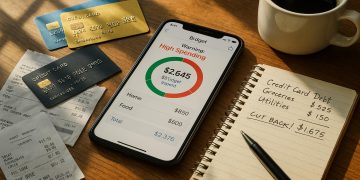
Sustainable Investment: Strategies to Align Your Values with Your Assets

As investors increasingly prioritize sustainable investment strategies, aligning financial goals with personal values becomes crucial. By leveraging approaches like ESG integration, impact investing, and shareholder activism, individuals can positively influence environmental and social outcomes while also achieving competitive financial returns. Embrace sustainable investments for a meaningful impact.

Using the 50/30/20 Rule to Accelerate Debt Repayment

The 50/30/20 rule provides a structured budgeting framework that allocates 50% of income to needs, 30% to wants, and 20% to savings and debt repayment. This approach aids in accelerating debt repayment while promoting financial stability, effective spending habits, and long-term financial wellness.

The Impact of Credit Card Interest Rates on Consumer Financial Health

Credit card interest rates significantly affect consumer financial health, influencing debt accumulation, repayment strategies, and overall stability. High rates can lead to inflated minimum payments and prolonged debt cycles, limiting savings and investment opportunities. Understanding these interests is vital for effective financial management and long-term stability.

Investing in Sustainability: Saving Money While Reducing Waste

Discover how investing in sustainability can lead to significant financial savings while benefiting the environment. The article highlights key areas such as energy efficiency, water conservation, and waste reduction, showcasing how eco-friendly choices translate into lower bills and long-term financial stability for homeowners and businesses alike.

The Impact of Interest Rates on Investment Decisions in 2023

In 2023, fluctuating interest rates critically shape investment decisions, influencing borrowing costs and consumer behavior. Investors must navigate sector-specific impacts, adjust portfolios accordingly, and explore alternative assets. Understanding these dynamics is essential for optimizing returns and managing risks in the evolving economic landscape.

The Snowball Method: How to Prioritize Debt and Increase Your Motivation to Pay It Off

The Snowball Method helps individuals effectively prioritize and pay off debts by focusing on smaller amounts first. This strategy builds momentum and motivation, alleviating stress while fostering a sense of accomplishment. By celebrating small wins, users create sustainable financial habits, paving the way toward a debt-free future.