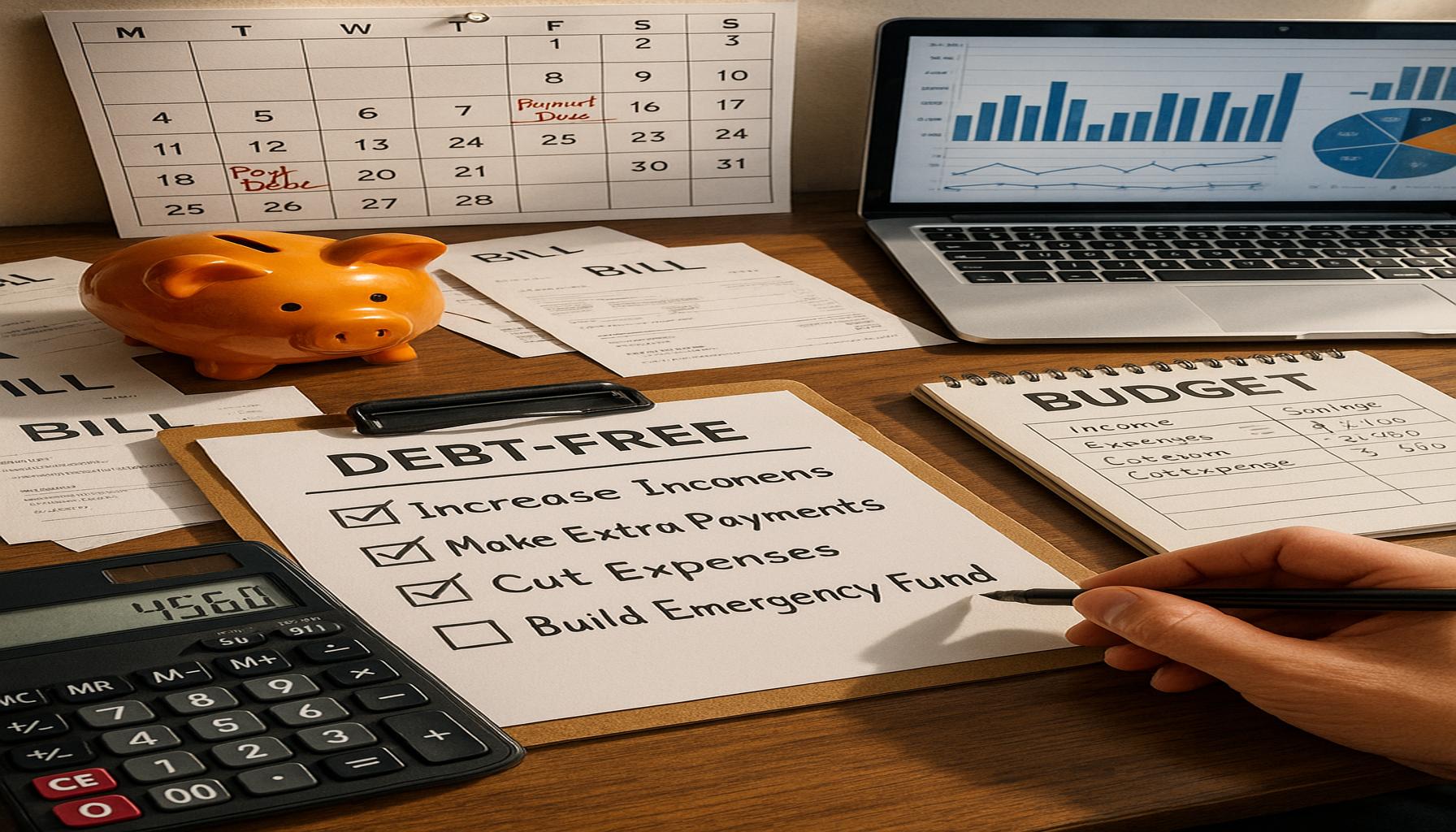
Technology and Finance: Apps that Accelerate Debt Payment and Assist in Financial Management

The Impact of Technology on Financial Management
In today’s fast-paced world, managing finances can often feel overwhelming. However, technology has stepped in to transform the way we handle our money. Mobile applications designed for debt payment and financial management have become essential tools that simplify this process significantly.
Key Features of Financial Management Apps
These apps offer a variety of features tailored to help users combat debt, enhance their financial literacy, and streamline their financial decision-making process. Here are a few critical features that many of these applications provide:
- Automated payments: Many apps allow users to set up reminders and schedules for their payments. This helps ensure that you never miss a due date, which can save you from late fees and negative impacts on your credit score. For instance, an app might alert you three days before your credit card payment is due, giving you ample time to transfer funds.
- Budget tracking: These financial tools can help you gain deeper insights into your spending habits. For example, if you consistently overspend on dining out, a budget tracker can highlight this trend, prompting you to reconsider your habits and make adjustments. A visual representation of your expenses can make it easier to see where your money is going and where you can cut back.
- Personalized debt repayment plans: Users can create tailored strategies to pay off their debts faster. For example, if you have both a credit card debt and a student loan, the app can recommend whether to focus on the higher-interest credit card debt first or utilize the snowball method, which pays off smaller debts first for psychological benefits.
The Importance of Financial Education
Utilizing these applications not only enhances your ability to pay down debt but also provides the education necessary for making better financial choices. Financial literacy is crucial in the United States, where individuals often face the reality of both personal and student loan debts. With student loans averaging over $30,000 for graduates, knowing how to manage these debts effectively can lead to significant long-term benefits.
Moreover, many of these applications may provide educational resources such as articles, tutorials, and community forums where users can learn and share their experiences. This collective knowledge can empower individuals to take informed steps toward debt management and savings strategies.
Taking Control of Your Financial Future
By exploring and utilizing technology-driven financial tools, users can take meaningful steps in controlling their finances. These apps not only aid in effective debt repayment but also pave the way for a more secure financial future. As you harness these resources, remember that proactive management of your finances can lead to greater financial stability and peace of mind.
DISCOVER MORE: Click here to learn how to apply
Leveraging Technology for Effective Debt Management
As we dive deeper into the capabilities of financial management apps, it’s essential to understand how they can play a pivotal role in accelerating debt payment and streamlining financial oversight. These applications enable users to stay organized, set clear goals, and maintain motivation throughout their financial journeys.
Common Applications and Their Benefits
There are numerous applications available in the market today, each with unique features designed to address specific financial challenges. Some popular examples include:
- Mint: This app provides a comprehensive overview of your finances, including budgeting tools and bill tracking. Mint automatically categorizes your expenses and provides insights into spending habits. This feature helps in identifying areas where you can cut costs and allocate more funds toward debt repayment.
- YNAB (You Need A Budget): YNAB focuses on proactive budgeting and aims to give every dollar a job. This app encourages users to allocate funds towards their debts systematically. Its unique approach can significantly change your mindset around money management, making you more accountable for your financial choices.
- Debt Payoff Planner: As the name suggests, this app allows users to create customized debt repayment plans. By entering various debts, interest rates, and monthly payments, users can visualize the fastest path to becoming debt-free. The app helps you strategize by showing payment schedules and confirming progress as you pay down your debts.
Enhancing Financial Awareness with Notifications
One of the most valuable features across many financial apps is the ability to receive real-time notifications. These alerts can remind you of upcoming bills, spending limits, or even when your account balance dips below a certain threshold. By staying informed, you can take immediate action, preventing potential overspending or unexpected missed payments.
In addition, some apps enable users to set financial goals, such as saving for a big purchase or creating an emergency fund. With regular reminders and check-ins to monitor progress, users remain motivated to reach their financial objectives.
The Added Value of Community and Support
In addition to the practical tools that these apps offer, many are accompanied by community features where users can share their journeys. Engaging with others who are tackling similar financial challenges can provide moral support, accountability, and valuable tips for overcoming obstacles. Participating in such communities not only fosters a sense of belonging but also enhances your financial literacy through shared experiences and advice.
In conclusion, leveraging technology through these financial management apps can significantly impact your ability to manage debt and personal finances effectively. By utilizing the right tools and support, you can gain control over your financial situation and work towards a more secure financial future.
DIVE DEEPER: Click here to learn about the importance of diversification
Integrating Financial Education into Debt Reduction Strategies
Another critical aspect of leveraging financial management apps is the integration of educational resources that empower users to make informed decisions about their financial health. Many applications come equipped with tutorials, articles, and even videos that break down key financial concepts, allowing users to build a solid foundation of knowledge as they navigate their financial journeys.
Utilizing Gamification for Increased Engagement
To make debt repayment less daunting, some financial apps have successfully adopted gamification techniques. This approach turns the often tedious task of managing debt into an engaging and interactive experience. For instance, apps like Debt Free allow users to unlock achievements as they make progress on their repayment goals. By collecting badges or rewards for hitting milestones, users are motivated to stay on track and celebrate their progress in a tangible way.
Gamification can also foster a sense of competition, whether with oneself or within a community. By setting personal bests or participating in challenges with friends, users can turn financial management into a fun and communal activity rather than a solitary chore.
Simplifying the Payment Process
Many financial apps now offer integrated payment options that allow users to make payments directly from within the app. This convenience not only saves time but also reduces the likelihood of missed payments. Apps like Chime offer features such as early direct deposits, which means users can access their paycheck up to two days earlier than traditional banks, allowing them to allocate funds to debt repayment promptly.
Furthermore, some apps have features that allow users to automate payments based on their cash flow or to set aside specific amounts for different debts. Automated payments remove the burden of remembering due dates and can help users avoid late fees, thus accelerating the path to becoming debt-free.
Budgeting Apps with Debt-Specific Features
While many financial apps excel at budgeting, some go a step further by specifically addressing debt repayment. Apps like EveryDollar allow users to create zero-based budgets, ensuring that every dollar of their income is assigned to a specific purpose, including debt repayment. By assigning a portion of their budget directly to debt reduction, users are likely to cultivate a disciplined approach to managing their money.
Additionally, some applications offer calculators that help users understand the long-term impact of different repayment strategies—whether it’s focusing on high-interest debts first (avalanche method) or paying off smaller debts first for quick wins (snowball method). These tools not only help illustrate the benefits of strategic debt repayment but also encourage users to stick to their plans.
The Importance of Personalization in Financial Apps
Finally, personalization stands as a major advantage of modern financial apps. Many applications now enable users to tailor their experiences based on individual financial situations. Users can input their unique debt amounts, income levels, and specific goals to receive customized recommendations on how to pay off their debts more efficiently.
This tailored approach ensures that users receive advice and tools relevant to their specific circumstances, making it easier to implement changes and see results. For example, an app might suggest a monthly payment amount that aligns with a user’s budget, while also advising on how to increase savings for future financial stability.
DISCOVER MORE: Click here for savvy grocery shopping tips
Conclusion
As we navigate an increasingly digital world, the integration of technology into finance through various apps has proven to be a game-changer for many individuals striving for financial stability. These financial management tools not only facilitate faster debt repayment but also offer a comprehensive suite of features designed to streamline budgeting and spending habits. For example, apps like Mint and YNAB (You Need A Budget) allow users to set up monthly budgets, track expenses in real-time, and send alerts when spending approaches preset limits. By automating payments and providing personalized experiences, users can significantly reduce the stress associated with managing their finances.
Moreover, the combination of educational resources and gamification keeps users engaged, making financial responsibility feel less like a chore and more like an achievable goal. For instance, platforms such as Duolingo for finances or Qapital encourage users to save by rewarding them for reaching specific goals or through friendly competition with friends. This approach can help build habits that lead to a healthier financial future, turning mundane tasks into exciting challenges. Users who utilize these strategies often find renewed motivation to stay on track with their debt repayment strategies.
Ultimately, the key to success lies in how individuals choose to utilize these tools. Embracing a philosophy of financial empowerment through education, strategic planning, and consistent engagement can lead to not only a debt-free life but also a stronger foundation for future financial endeavors. Individuals who take the time to educate themselves on topics such as investment strategies or retirement planning often feel more confident in making decisions that affect their financial health. As technology continues to evolve, it is essential for users to stay informed and adaptable, ensuring they make the most of these innovations in their journey toward financial health. Whether it’s through reading articles, taking online courses, or simply engaging with their financial tools, proactive engagement can be the key to unlocking a wealthier and more secure future.

Linda Carter
Linda Carter is a writer and expert known for producing clear, engaging, and easy-to-understand content. With solid experience guiding people in achieving their goals, she shares valuable insights and practical guidance. Her mission is to support readers in making informed choices and achieving significant progress.