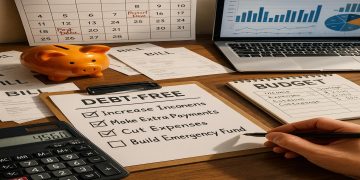
Using the 50/30/20 Rule to Accelerate Debt Repayment
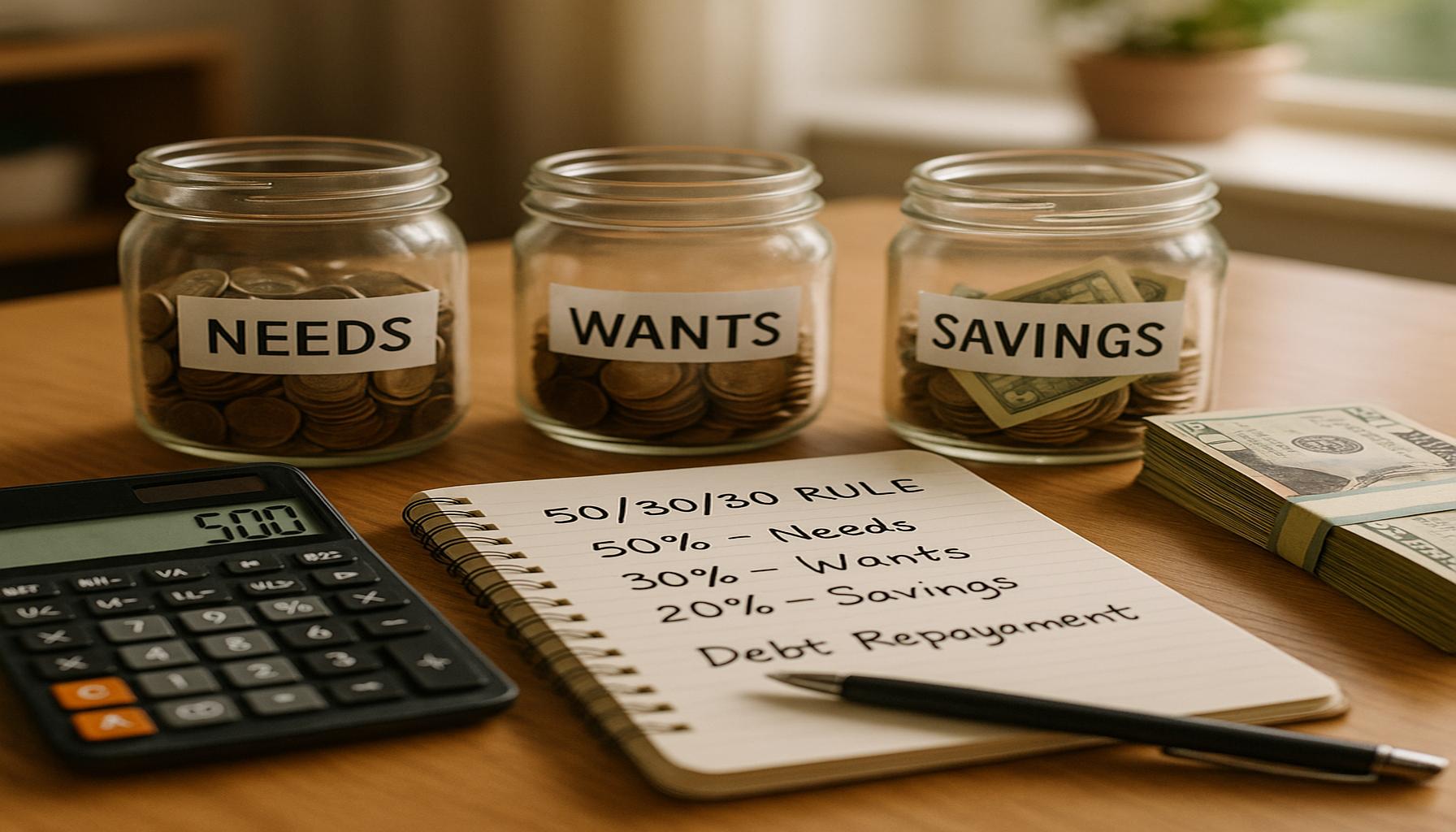
Understanding the 50/30/20 Rule
The 50/30/20 rule is not just a theoretical concept; it is a pragmatic approach to budgeting that simplifies financial management. At its core, this framework encourages individuals to categorize their income into three distinct areas, ensuring that they balance their necessities while still enjoying life and preparing for future financial stability.
Breaking Down the Budgeting Formula
Let’s delve deeper into each component of the rule for enhanced clarity:
- 50% Needs: This category encompasses all essential expenses required for survival and day-to-day living. Think of housing costs, such as rent or mortgage payments, which can often be a significant portion of your budget, along with utilities like electricity, water, and heating. Groceries also fall under this category, where the average American household might spend anywhere from $400 to $800 a month, depending on family size and location. Transportation costs, including car payments or public transit expenses, are crucial here as well.
- 30% Wants: This segment allows for personal enjoyment without guilt. Discretionary spending could include dining out at restaurants, subscriptions to streaming services, vacations, and hobbies. For example, if you usually spend $200 a month on entertainment and $150 on dining out, you’re still within the 30% limit designed to keep you financially stable while enjoying life.
- 20% Savings and Debt Repayment: This is arguably the most critical part of the rule. It encourages individuals not only to save for future needs—like retirement or emergencies—but also to prioritize paying down debt. For those struggling with student loans or credit card debt, allocating this portion towards making larger payments can dramatically decrease the time it takes to achieve financial freedom.
Practical Application of the 50/30/20 Rule
To put this into perspective, let’s say you earn $3,000 per month. Following the 50/30/20 rule, your budget would distribute as follows:
- $1,500 directed towards essential expenses
- $900 allocated for discretionary spending
- $600 set aside for savings and debt repayment
Adhering to this structure leads to a clearer understanding of financial priorities. It is recommended that individuals regularly track their spending to ensure adherence to their budget. This might involve utilizing budgeting apps that allow for real-time monitoring of expenses, enabling quicker adjustments.
Benefits of the 50/30/20 Rule
In today’s consumer-driven society, where debt levels are high—averaging around $90,000 per household in the U.S.—the impact of following the 50/30/20 rule can be transformative. By visualizing your financial habits through this budgetary lens, you empower yourself to achieve your financial goals more expediently. By committing to savings and debt repayment, you not only cultivate an emergency fund that can cushion you in times of unexpected expenses but also carve out a path toward debt freedom.
In summary, the 50/30/20 budgeting guideline offers a practical approach for individuals looking to organize their finances in a way that promotes both immediate satisfaction and long-term financial security. Through diligent application of this framework, you can cultivate a balanced lifestyle while steadily progressing toward a healthier financial future.
DISCOVER MORE: Click here to learn how to analyze mutual funds before investing
Leveraging the 50/30/20 Rule for Effective Debt Management
When it comes to debt repayment, understanding how to allocate resources efficiently can significantly accelerate your progress toward financial freedom. By employing the 50/30/20 rule, you can develop a practical strategy that focuses specifically on debt reduction alongside savings. The structured approach can help individuals take charge of their financial futures, especially when faced with multiple loan obligations.
Assessing Your Debt Situation
Before diving into the application of the 50/30/20 rule, it’s crucial to have a comprehensive understanding of your current debt landscape. Begin by listing all existing debts, including credit cards, student loans, auto loans, and any personal loans. Gather information on the following aspects:
- Outstanding Balances: Record the total amount owed for each debt.
- Interest Rates: Note the interest rate for every debt, as this will affect repayment strategies.
- Minimum Payments: Document the required monthly minimum payments for each account.
- Time Frame for Repayment: Consider your target date for getting rid of each debt.
With this assessment, you can prioritize which debts to tackle first, typically those with the highest interest rates. This is often referred to as the “avalanche method,” aiming to save on interest payments in the long run.
Strategically Utilizing the 20% for Debt Repayment
With your monthly budget allocated as per the 50/30/20 framework, focus on the 20% reserved for savings and debt repayment. In our previous example, if your monthly income is $3,000, that translates to $600 dedicated to this category. This is where disciplined budgeting becomes paramount, and you can maximize the impact of this portion by considering various repayment strategies:
- Debt Snowball Method: Allocate your entire 20% towards the smallest debt first while making minimum payments on larger debts. Once the smallest debt is cleared, apply the same funds towards the next smallest debt.
- Debt Avalanche Method: Direct your 20% towards the debt with the highest interest rate. This could potentially save you more money over time compared to the snowball method. If the highest-interest debt is a credit card with an interest rate of 18%, putting extra funds toward it can reduce your interest burden significantly.
Evaluating which strategy aligns better with your financial psyche is essential. For some, the motivational win of clearing small debts quickly fosters momentum, while others prefer the pragmatic approach of minimizing interest costs. Both strategies can effectively work within the 50/30/20 rule framework, guiding you towards accelerated debt repayment.
Moreover, as part of your 20% allocation, consider supplementing it with any additional income sources, like overtime pay, bonuses, or side jobs. Allocating this extra income directly to debt repayment can considerably shorten the time to debt freedom while still allowing for participation in savings and investment. Each payment made above the minimum can have a significant cumulative effect, reducing both the balance and the duration of loans.
In summary, utilizing the 50/30/20 rule isn’t merely about categorizing your finances; it offers a systematic approach to not only tackle debt but also promote responsible spending and saving. Understanding how to leverage this budgeting technique with a clear picture of your debt situation is essential to achieving a debt-free lifestyle.
EXPLORE MORE: Click here to discover the benefits of credit card rewards
Enhancing Debt Repayment with Additional Strategies
While the 50/30/20 rule provides a robust foundation for managing debt, incorporating additional strategies can further enhance your ability to repay debts quickly. A multifaceted approach can not only ease the financial burden but also help maintain motivation throughout the journey of becoming debt-free.
Leveraging Savings and Interest Rate Reductions
One beneficial parallel strategy involves continuously assessing and optimizing your debt portfolio to take advantage of lower interest rates. The concept of refinancing can play a crucial role in minimizing overall debt costs. For instance, if you currently have a high-interest credit card with an 18% APR, and you successfully refinance it to a card with a 10% APR, you could save hundreds over the life of the debt. Not only does refinancing reduce monthly interest costs, but it also effectively accelerates the repayment timeline when existing budgets remain unchanged.
Another critical aspect of the savings strategy is building an emergency fund. Within the 50/30/20 framework, it’s vital to prioritize the 20% towards debt repayment while simultaneously ensuring you can navigate financial surprises without further borrowing. Keeping a small emergency fund—preferably between $1,000 and $2,000—can provide peace of mind and eliminate the need for reliance on credit during unexpected events.
Engaging in Community Resources and Financial Literacy
Communities across the United States offer resources that can provide both knowledge and assistance in debt management. Local non-profit organizations frequently provide free workshops or one-on-one financial counseling. Seeking out these resources allows individuals to learn about budgeting, effective debt repayment strategies, and even credit repair. Studies show that individuals who participate in financial literacy programs experience advanced financial outcomes, including lower debt levels and improved savings habits.
Additionally, online tools and mobile apps specifically designed for budgeting and debt management can significantly enhance your repayment efforts. Applications like Mint or YNAB (You Need A Budget) enable you to track spending patterns, set budget limits, and identify areas where additional funds can be allocated toward debt repayment. According to research conducted by the National Bureau of Economic Research, using budgeting software correlates with improved financial behaviors and enhanced savings rates.
Behavioral Finance Techniques for Sustained Motivation
Incorporating behavioral finance techniques can provide the necessary motivation to stick to your repayment plan. Principally, setting tangible goals and deadlines for debt repayment can create a sense of accomplishment. For example, if you have a clear milestone of paying off a particular debt by a specific date, you’re more likely to stay focused. Utilizing visual aids, like a debt repayment thermometer or a timeline, adds an engaging element and can serve as a constant reminder of your progress.
Furthermore, engaging in peer accountability can be beneficial. Whether it’s attending a financial group or simply sharing your goals with friends or family, having a supportive network can make a substantial difference. Studies suggest that sharing financial aspirations with others leads to better adherence to budgets and repayment plans, thereby enforcing positive behavior through social support.
Ultimately, while the 50/30/20 rule sets a solid groundwork for managing your finances, employing these additional strategies can enhance your debt repayment journey. By combining sound budgeting practice with proactive financial management and community support, the path to financial freedom becomes not just attainable, but also rewarding.
DISCOVER MORE: Click here to learn about avoiding common financial pitfalls</
Conclusion
In conclusion, utilizing the 50/30/20 rule serves as a strategic approach to accelerate debt repayment while effectively managing one’s financial health. This budgeting framework not only delineates a clear path towards debt reduction but also encourages disciplined spending and saving habits. By designating 50% of income for necessities, 30% for discretionary expenses, and 20% specifically for debt repayment, individuals can make tangible progress towards becoming debt-free.
However, true financial empowerment lies in adopting a comprehensive approach that includes refinancing for better interest rates, establishing an emergency fund to avoid accumulating additional debt during unforeseen circumstances, and leveraging community resources for financial literacy. These tactics, when coupled with the 50/30/20 rule, yield a powerful synergy that enhances one’s ability to manage and repay debts in a timely manner.
Moreover, incorporating behavioral finance techniques can foster lasting motivation and accountability. By setting achievable milestones and leveraging accountability networks, individuals can sustain their momentum and remain engaged in their financial journey. Research consistently shows that these proactive measures lead to better outcomes, paving the way to not just debt freedom but also long-lasting financial wellness.
Ultimately, applying the 50/30/20 rule alongside these additional strategies transforms the often daunting task of debt repayment into a more structured and achievable goal. With commitment and the right tools, financial freedom and peace of mind are within reach, allowing individuals to redirect their financial resources towards growth and opportunity.

Linda Carter is a writer and financial consultant specializing in personal finance and money management. With years of experience helping individuals and families achieve financial stability and make informed decisions, Linda shares her expertise on the True Metronome platform. Her goal is to empower readers with practical advice and strategies to take control of their finances and build a secure future.